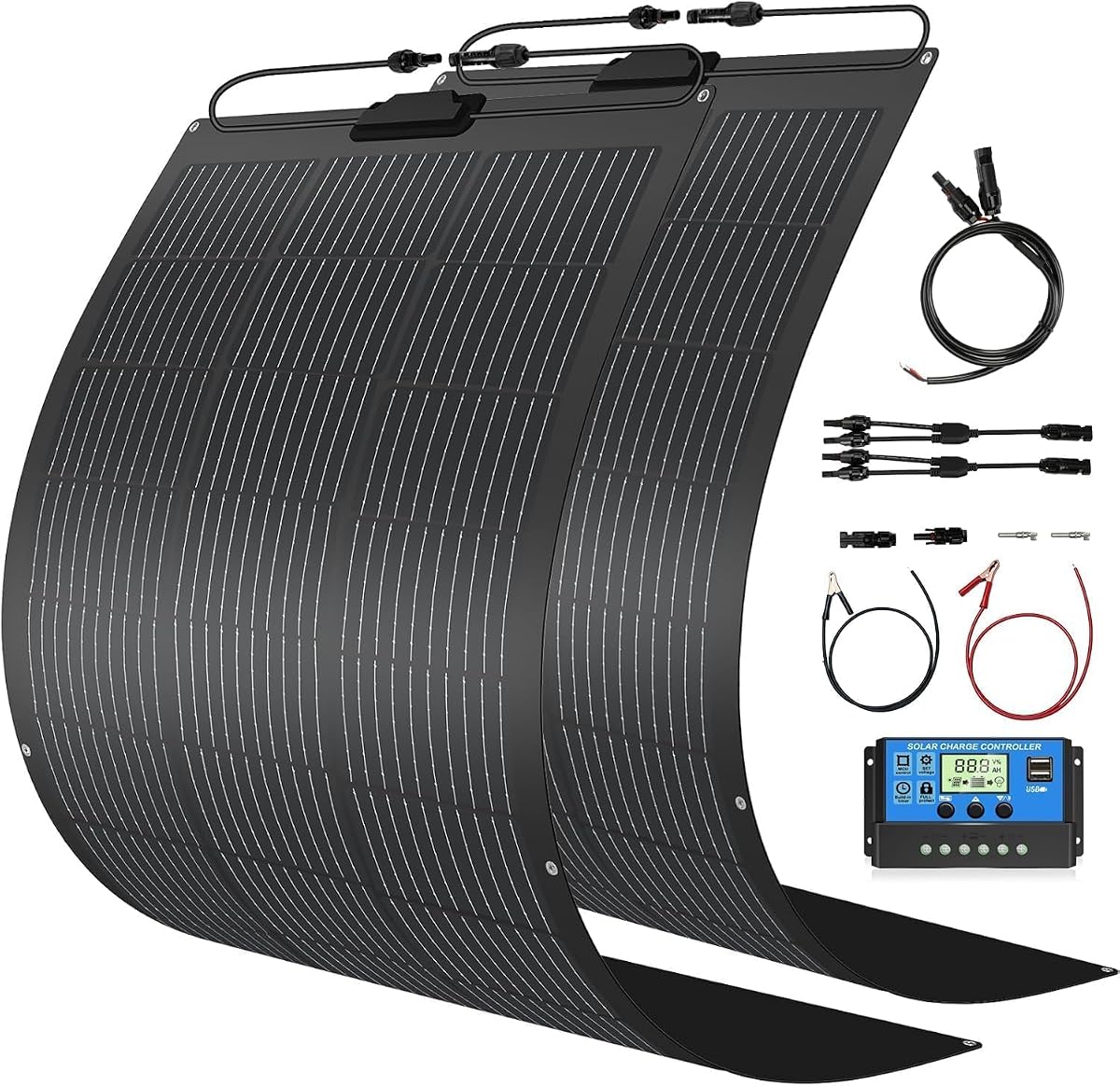
800W Solar Panel Kit
5.0Editor score
Ultra-flexible 30 degree bend
24 percent high efficiency cells
IP68 waterproof marine design
This guide compares the top 800W solar panel systems for off-grid living, RVs, and boats, analyzing efficiency, durability, and ease of installation to help
Finding the right solar solution requires balancing power output with durability. An 800W solar panel system offers substantial energy for off-grid needs. It ensures reliable charging for batteries and appliances in remote locations.
We evaluated ten top-rated kits based on cell technology and build quality. Our analysis covers rigid and flexible options suitable for various surfaces. We compared efficiency ratings and weather resistance to find the most robust systems.
Each pick highlights unique strengths like bifacial capture or flexible mounting. These details help you match a kit to your specific power demands. Please note that product availability and pricing can change frequently online.
5.0Editor score

4.3Editor score

4.5Editor score
This table provides a side-by-side look at the leading 800W solar panel kits available this month. Each entry details the core specifications and unique selling points to help you quickly identify the best fit for your energy requirements.
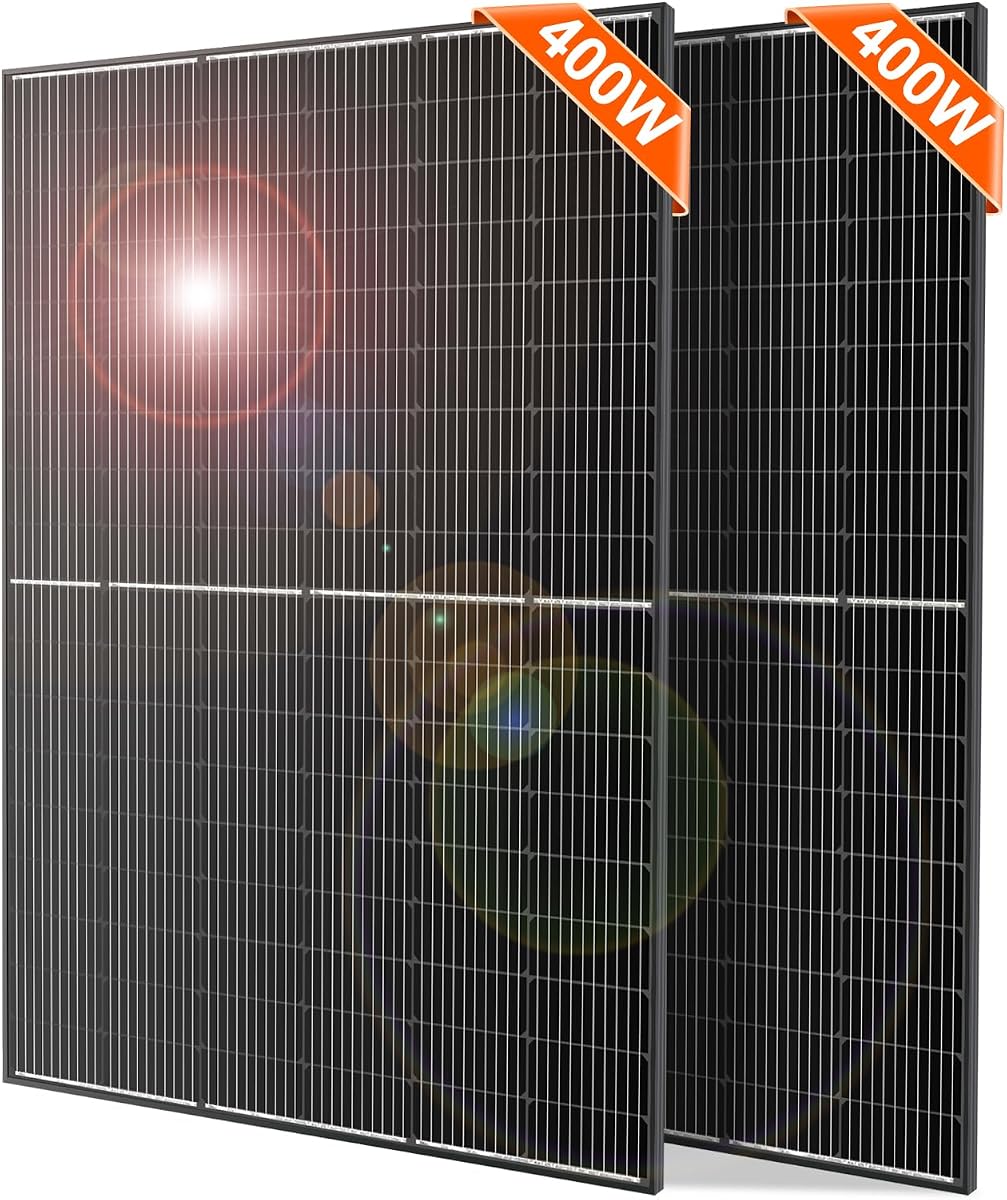


The DOKIO 800W Solar Panel set ranks as our top pick for reliability. It delivers robust power through two 400W units designed for standard battery banks. The build quality ensures it withstands year-round outdoor exposure effectively.
We may earn a commission when you buy through this link, at no additional cost to you.
This kit simplifies your wiring with fewer connection points. Instead of eight small panels, you get two large ones. This reduces failure points and saves time during installation on roofs or grounds.
While the leads are long, you must check your controller compatibility. Series wiring requires specific voltage limits. If you use MPPT, you will get the best efficiency from this array.
Buy this if you need a stable permanent installation. It is ideal for homes or large RVs where weight is not a primary constraint. The price reflects its durable construction and ease of setup.
Using two large panels means fewer splitters and joints. This reduces potential failure points and keeps your wiring neat.
Each panel includes 3 meters of cabling. This allows you to reach further without needing immediate extensions.
We may earn a commission when you buy through this link, at no additional cost to you.
This set mirrors the first DOKIO model but focuses on 24V off-grid needs. It is excellent for systems that require higher voltage for efficiency. The panels are built to handle outdoor elements securely.
We may earn a commission when you buy through this link, at no additional cost to you.
The high wattage per panel means you install fewer units. This saves mounting hardware and time. The leads are long enough to route to a controller without immediate adapters.
You must ensure your charge controller matches the input voltage. Using it on 12V requires parallel wiring. This limits flexibility compared to versatile panels that switch modes easily.
Choose this for dedicated 24V banks in vans or cabins. It offers a clean look and reliable power. The design prioritizes durability and simplified routing for permanent setups.
Targeting 24V allows lower current for the same power. This reduces voltage drop over long cable runs.
With fewer panels, you need fewer brackets and wires. This keeps the installation tidy and cost-effective.
We may earn a commission when you buy through this link, at no additional cost to you.
Renogy brings advanced technology with this bifacial set. It captures light from the back too, boosting yield. This makes it a premium choice for maximizing energy per square foot.
We may earn a commission when you buy through this link, at no additional cost to you.
The N-Type cells are more efficient than standard ones. They handle partial shade better thanks to dual zones. If one half is blocked, the other keeps working.
You get the most value if you have a light ground surface. Snow or white gravel reflects light to the back. Without this, the benefit drops significantly compared to standard panels.
This is the pick for performance-focused users. It pays off in high-light environments with reflection. The investment is higher but the long-term energy gain is substantial.
Reflected light hits the back of the cells. This adds extra power without needing more space.
Two independent power zones keep production steady. This reduces losses from small obstructions like vents.
We may earn a commission when you buy through this link, at no additional cost to you.
This flexible kit wins on price and adaptability. It fits curved surfaces that rigid panels cannot. The ETFE coating protects against UV and wear over time.
We may earn a commission when you buy through this link, at no additional cost to you.
It is extremely light which saves roof load. You do not need frames to install it. Adhesive or silicone is often enough to mount it securely.
Bending it too much or exposing it to extreme heat might reduce lifespan. You must ensure the surface is clean for adhesion. Proper installation is critical for water sealing.
Buy this for RVs or boats with curved roofs. It solves mounting issues without drilling. The low cost makes it accessible for DIY upgrades.
The panel bends to follow roof curves. This allows seamless integration on boats and vans.
It weighs 70 percent less than rigid ones. This reduces stress on lighter vehicles.
We may earn a commission when you buy through this link, at no additional cost to you.
Portability is the main feature here. The unit folds down for storage and transport. It is perfect for camping trips where you set up camp daily.
We may earn a commission when you buy through this link, at no additional cost to you.
You can adjust the angle to face the sun. This maximizes charging speed throughout the day. The weight is low enough to carry in a vehicle.
It lacks the structural support for permanent roof mounting. The stands are not designed for high winds. You must secure it manually in exposed areas.
This is the ideal choice for mobile users. If you move often, this kit saves time. It offers a balance of power and ease of use.
Kickstands offer multiple positions for optimal tilt. This ensures the sun hits the cells directly.
The folding design makes it compact. You can fit it in tight vehicle spaces easily.
We may earn a commission when you buy through this link, at no additional cost to you.
This kit includes a charge controller for convenience. It simplifies the buying process for beginners. The panels use N-Type technology for good efficiency.
We may earn a commission when you buy through this link, at no additional cost to you.
The MPPT controller helps optimize power gain. It is useful for battery charging management. The MC4 connectors are pre-installed for easier hookup.
However, the low rating suggests potential quality issues. You might face compatibility or durability problems. Careful inspection upon arrival is necessary.
Buy only if you need a bundle. Check the controller specs before use. It may be a good deal if components are solid.
You get panels and a controller together. This saves you from searching for separate parts.
Connectors are already on the panels. This speeds up the initial setup time.
We may earn a commission when you buy through this link, at no additional cost to you.
This set uses advanced half-cell technology. It maintains power even in cloudy or morning light. The cells are durable and resist corrosion well.
We may earn a commission when you buy through this link, at no additional cost to you.
The design supports wind and snow loads. You can mount it on Z-brackets easily. Pre-drilled holes simplify the attachment to racks.
It is heavier than flexible options. You need a sturdy roof or ground mount. Ensure the structure can hold the weight.
Choose this for reliability in variable weather. It works well in shaded areas. The standard build ensures it lasts for years.
Cells generate power at dawn and dusk. This extends your charging hours daily.
Standard holes fit common brackets. This allows you to adjust the tilt angle.
We may earn a commission when you buy through this link, at no additional cost to you.
This kit targets marine environments with flexibility. It includes a controller to manage charging. The panels are tough and resist water exposure.
We may earn a commission when you buy through this link, at no additional cost to you.
They fit on irregular surfaces easily. You can use adhesive for installation. This keeps the deck clear of drill holes.
Lack of ratings means user feedback is missing. You take a guess on longevity. Ensure the adhesive is marine-grade for safety.
Use this for boats where weight matters. The bundle is complete for immediate use. Check the controller voltage before connecting.
Flexible design suits curved boat roofs. It withstands salt spray effectively.
A 40A controller manages the flow. This simplifies your power system wiring.
We may earn a commission when you buy through this link, at no additional cost to you.
This budget-friendly bundle offers essential parts. It includes panels and a controller. The flexible nature suits varied mounting spots.
We may earn a commission when you buy through this link, at no additional cost to you.
Grommet holes help with mechanical mounting. The junction box is sealed against water. It is practical for occasional outdoor use.
Long-term durability is not confirmed by reviews. You may need to replace it sooner. Ensure all seals are tight during install.
Buy this for short-term projects. It gets you started cheap. Check the controller rating before use.
You can use holes or adhesive. This allows multiple installation methods.
The junction box resists rain. It keeps electrical connections dry.
We may earn a commission when you buy through this link, at no additional cost to you.
EPOCH delivers a high-efficiency set. It uses Bifacial technology to boost energy. The cells are EL tested for quality control.
We may earn a commission when you buy through this link, at no additional cost to you.
The design resists heavy snow and wind. You get strong protection for outdoor use. Mounting options are compatible with standard brackets.
Bifacial gains depend on ground reflection. If your site is dark, you lose value. It is best for high-reflectivity locations.
This is the top pick for tech lovers. It offers long warranties and top specs. Ensure your environment supports bifacial needs.
Electroluminescence testing checks for cracks. This ensures every panel is flawless.
High snow and wind ratings protect it. It stays safe in harsh weather.
We may earn a commission when you buy through this link, at no additional cost to you.
Choosing the right solar kit depends on your specific energy needs and installation environment. Understanding the key differences between rigid and flexible options will help you avoid common pitfalls and get the most value.
Solar panels use different cell types like PERC or N-Type. N-Type cells generally offer higher efficiency and better performance in low light. Look for high efficiency ratings to maximize power output per square foot.
Prioritize panels with higher efficiency to save space. This is crucial if your roof or ground area is limited.
Rigid panels have frames that make them durable but heavy. Flexible panels are lightweight and bend for curved surfaces. Choose rigid for stationary roofs and flexible for boats or vans.
Select the mounting type based on your vehicle or roof shape. Ensure your surface can support the weight and mounting method.
Your system voltage must match your battery bank. Many kits work with 12V or 24V systems. Check your controller and battery requirements before buying.
Always match the panel voltage to your system. This prevents damage to your equipment and ensures proper charging.
Outdoor panels must withstand rain, wind, and snow. Look for IP68 rated connectors and strong glass or ETFE coatings. Snow load ratings are important for winter climates.
Verify the IP rating and load limits. A durable panel lasts longer and protects your investment.
A good charge controller optimizes your solar input. MPPT controllers are more efficient than PWM ones. Ensure your kit includes or supports the right controller.
Invest in an MPPT controller for better efficiency. It handles voltage drops and maximizes your energy harvest.
Long cables reduce the need for extensions. Check the length of MC4 leads. Standard connectors make setup faster and safer.
Longer leads simplify routing to your controller. Avoid cutting connectors as it voids warranties.
Solar panels are long-term investments. Look for warranties covering power output and materials. Good customer support helps with issues like shipping damage.
Choose brands with clear warranties. This protects you against manufacturing defects and degradation.
Bifacial panels capture light from both sides. This adds extra energy if you have a reflective surface. It increases overall yield without adding space.
Use bifacial panels where ground reflects light. This adds value in snowy or sandy environments.
Start by planning your layout to maximize sun exposure. Ensure no shadows fall on the panels during peak hours. Use a compass or app to find the best angle.
Clean the surface regularly with water and a soft cloth. Remove dust or snow to maintain efficiency. Avoid harsh chemicals that might damage the coating.
Check your connections and wiring every few months. Tighten any loose bolts or screws. Inspect for wear or damage to cables and junction boxes.
Yes, an 800W system can typically power a fridge with proper battery storage. Ensure your battery capacity matches the daily energy consumption. Monitor usage to prevent draining the bank completely.
You can connect multiple kits using a combiner box. Ensure your inverter and controller support the total voltage and current. Proper fusing is essential for safety.
MPPT controllers are more efficient as they adjust voltage to match battery needs. PWM is cheaper but loses energy. For high wattage panels, MPPT is strongly recommended.
Most panels last 25 years or more with minimal output drop. Durability depends on the build quality and weather conditions. Regular maintenance helps extend their lifespan.
Permits vary by location and system size. Check local building codes for permanent installations. For portable setups, permits are rarely required.
Shading, dirt, or incorrect wiring can cause low power. Check for obstructions like leaves or dust on the glass. Verify that your controller settings match your system.
Flexible 800W panels are excellent for boats due to low weight. They fit curved surfaces and resist corrosion. Ensure they are marine-grade for longevity.
The DOKIO and Renogy kits stand out for reliability and advanced tech. They offer solid power for homes and large vehicles. Each system has unique strengths for different needs.
Consider your roof type and voltage needs before buying. Bifacial options offer extra gains in reflective environments. Flexible kits are best for mobile setups.
Always verify current pricing and availability before purchase. Prices can change frequently depending on demand. Choose a system that fits your budget and goals.