
Omada AX3000 Wireless Access Point EAP650
4.5Editor score
Free Omada Essentials Cloud Management
Ultra-Fast True Wi-Fi 6 Speeds
5 Years Warranty Included
This guide compares the top commercial wireless routers for businesses, evaluating features like security, speed, and management tools to help you choose the
Finding the right commercial wireless router is critical for modern businesses that rely on stable and secure internet connections. A good router supports multiple devices, offers robust security features, and provides easy management tools for IT teams. Without the right hardware, productivity can suffer due to downtime or security vulnerabilities.
We compared ten top-rated commercial wireless routers based on performance, security, scalability, and ease of use. Our analysis focuses on key features like WiFi 6 and WiFi 7 support, VPN capabilities, guest portal customization, and network management options. Each product was evaluated for its ability to handle dense environments and diverse business needs.
Each pick below highlights a specific strength, from budget-friendly options to high-performance mesh systems. We include detailed specs, pros, cons, and real-world use cases to help you decide. Note that product availability and specifications may change over time, so verify details before purchasing.
4.5Editor score
4.2Editor score

4.6Editor score
The following table provides a side-by-side comparison of all ten commercial wireless routers featured in this guide. Review the key specifications and features to quickly identify which model aligns with your business requirements.




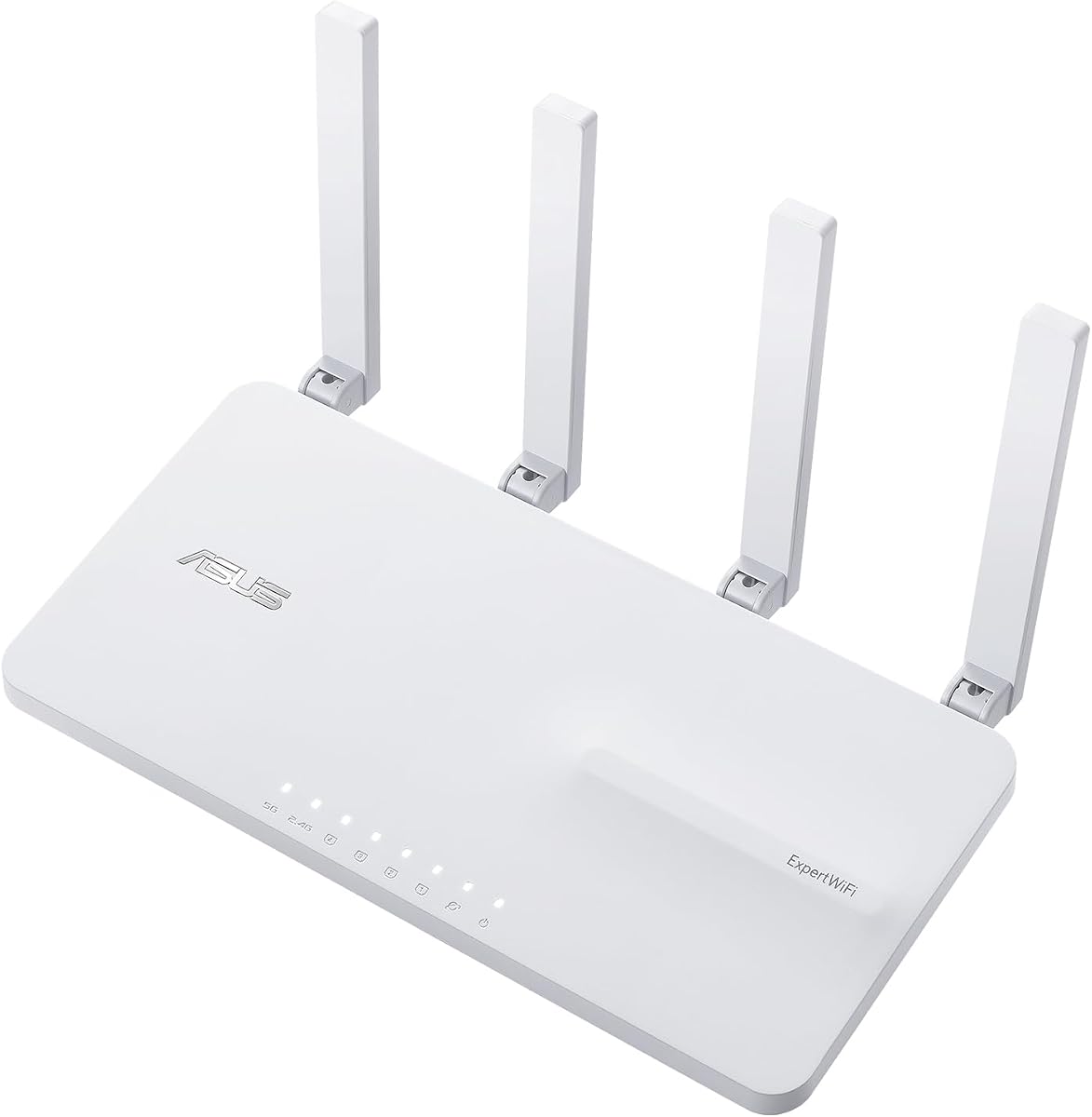
The ASUS ExpertWiFi EBR63 stands out as a top choice for small to medium businesses needing reliable WiFi 6 connectivity. It offers a rating of 4.2 stars based on user feedback. Its standout qualities include customizable guest portals and free commercial-grade security, making it ideal for businesses that want to brand their networks without complex IT overhead.
We may earn a commission when you buy through this link, at no additional cost to you.
This router supports up to five SSIDs, allowing you to separate guest, staff, and IoT devices for better security and performance. The backup WAN feature via USB port ensures you stay connected even if your primary broadband fails by using a mobile hotspot. The ASUS ExpertWiFi app simplifies remote management, making setup hassle-free even for non-technical staff.
While the router is feature-rich, it has a limited number of physical ports which may require a switch for wired devices. Additionally, some advanced security features might require ongoing subscriptions after the initial free period. However, the benefits of seamless integration, easy customization, and robust security make these trade-offs acceptable for most commercial settings.
Buy this router if you run a retail store, cafe, or small office that needs branded guest WiFi and strong security. It is perfect for businesses that prioritize easy remote management and want to scale their network with ExpertWiFi AIMesh in the future.
Customize the SSID and portal templates to match your business style, enhancing customer experience.
Receive a free subscription to ASUS AiProtection Pro and safe browsing features to secure your WiFi environment.
We may earn a commission when you buy through this link, at no additional cost to you.
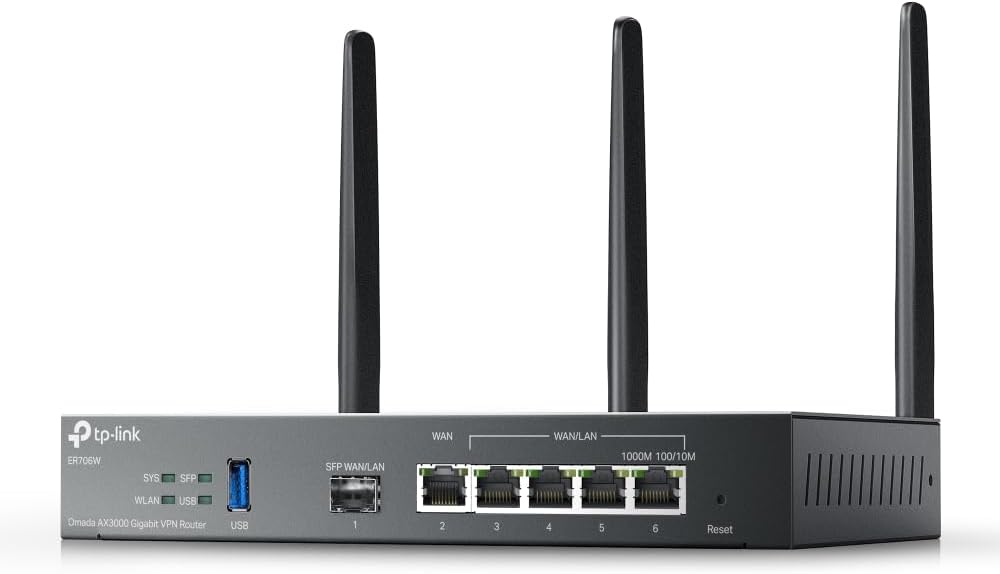
The Omada ER706W is a robust router designed for businesses requiring high-speed WiFi 6 and advanced VPN capabilities. With a rating of 4.1 stars, it is well-regarded for its versatility. Its key strengths include load balancing across multiple WAN ports and seamless mesh integration with Omada access points, making it ideal for growing offices.
We may earn a commission when you buy through this link, at no additional cost to you.
This router features a 1x Gigabit SFP slot and 5 Gigabit RJ45 ports, offering flexibility for fiber connections and local devices. The load balancing feature raises utilization rates by distributing traffic across up to five WAN ports. It also supports a wide range of high-security protocols like SSL, IPSec, and WireGuard, ensuring safe remote access for employees.
Setting up the ER706W may require some networking knowledge, especially for configuring multiple WAN lines or VPN tunnels. The device performs best when integrated into the Omada SDN ecosystem, which might limit options if you use other brands. Despite this, its performance and security features justify the learning curve for IT professionals.
Choose this router for businesses needing multi-line broadband support or secure remote access for staff. It is particularly suited for companies already invested in the Omada ecosystem or those planning to expand with Omada access points.
Utilize load balancing on up to 5 WAN ports to maximize multi-line broadband efficiency.
Support high-security SSL, IPSec, WireGuard, and PPTP for secure remote connections.
We may earn a commission when you buy through this link, at no additional cost to you.
The Ruckus R750 is an indoor WiFi 6 access point engineered for ultra-dense environments like stadiums or large conference centers. With a rating of 4.3 stars, it delivers reliable performance in crowded areas. Its standout quality is its ability to handle high client density without compromising speed or reliability, making it essential for large venues.
We may earn a commission when you buy through this link, at no additional cost to you.
This access point uses advanced antenna technology to maximize signal coverage and minimize interference. It is designed to work seamlessly in indoor settings where many devices connect simultaneously. The Ruckus R750 part number 901-R750-US00 ensures compatibility with other Ruckus systems for unified management.
While effective, the R750 typically requires a controller or cloud platform for management, which adds complexity for smaller setups. It is also priced higher than consumer-grade access points. However, for environments where performance is critical, the investment pays off in stability and user experience.
Buy this access point for large offices, schools, or public venues needing reliable WiFi 6 coverage. It is the best choice if you prioritize network capacity and can support a Ruckus management system.
Designed for ultra-dense environments to support many concurrent connections efficiently.
We may earn a commission when you buy through this link, at no additional cost to you.
The Ruckus R670 is an indoor access point bringing mainstream deployment of Wi-Fi 7 to businesses. While ratings are currently N/A as it is a new release, its features promise exceptional performance. It offers 9.34 Gbps combined data rates and BeamFlex+ adaptive antenna technology to maximize speed and coverage.
We may earn a commission when you buy through this link, at no additional cost to you.
This device connects to multi-gigabit switches via a built-in 5 GbE port, eliminating bottlenecks. It also enhances security with WPA3 and Dynamic Passphrase features, allowing flexible network access. The R670 can unify Wi-Fi and non-Wi-Fi technologies like BLE and Zigbee for IoT expansion.
The R670 comes with a high price tag, making it suitable only for businesses ready to invest in cutting-edge tech. Compatibility with Wi-Fi 7 devices is still emerging, so you may not fully utilize its speeds immediately. Still, it is a powerful choice for future-proofing your network infrastructure.
Choose this access point for classrooms, meeting rooms, or guest areas needing high-end performance. It is ideal for businesses planning ahead for Wi-Fi 7 adoption and advanced IoT integration.
Maximize signal coverage and throughput with first-of-its-kind smart antenna technology.
Unify Wi-Fi and BLE or Zigbee into one single network for expanded use cases.
We may earn a commission when you buy through this link, at no additional cost to you.
The NETGEAR Orbi 970 Series is a WiFi 7 mesh system designed for expansive coverage up to 10,000 sq ft. With a 4.6-star rating, it delivers the highest speeds available. It supports up to 200 devices simultaneously, making it perfect for large campuses or multi-story commercial buildings.
We may earn a commission when you buy through this link, at no additional cost to you.
Exclusive Quad-Band technology reserves a dedicated lane for satellite traffic, ensuring no slowdowns during heavy use. The system includes a 10 Gig internet port and LAN ports for ultra-fast wired connections. It works with any internet provider and includes security features out of the box.
The main drawback is the high cost, which may not be justified for smaller spaces. It is also complex to configure for non-technical users compared to standard routers. However, if you need seamless connectivity across a massive area, this mesh system offers unmatched performance.
Invest in this mesh system for large facilities, warehouses, or estates needing whole-building WiFi. It is the best option if you demand the fastest available technology and can afford the premium price.
Reserved dedicated lane for satellite traffic ensures fast WiFi on every device simultaneously.
10 Gig internet port delivers ultra-fast wired connections for NAS and home offices.
We may earn a commission when you buy through this link, at no additional cost to you.
The Omada EAP650 is a high-value wireless access point offering WiFi 6 speeds with free cloud management. It holds a 4.5-star rating from satisfied users. Its standout qualities include a 5-year warranty and ultra-slim design, making it perfect for budget-conscious businesses needing scalable WiFi.
We may earn a commission when you buy through this link, at no additional cost to you.
It supports 1024-QAM for speeds up to 2976 Mbps. The device integrates into Omada SDN for centralized control or works standalone. Multiple power options like PoE plus make installation flexible. The Omada app simplifies setup without needing a physical controller.
While great value, you may need to purchase a PoE switch separately. Cloud management features require a stable internet connection. However, these minor hurdles are outweighed by the reliability and cost-efficiency for small businesses.
Buy this access point for cafes, small offices, or classrooms needing reliable WiFi 6. It is the best choice if you want premium features without breaking the budget.
Free Omada Essentials Cloud Management with no additional fees for easy remote control.
Backed by industry-leading 5-years warranty and free technical support.
We may earn a commission when you buy through this link, at no additional cost to you.
The Ubiquiti U6+ is a reliable wireless access point ideal for businesses needing efficient communication. With a 4.6-star rating, it delivers 3 Gbit/s speeds. Its wall mountable form factor and PoE+ port make installation painless in areas without power outlets.
We may earn a commission when you buy through this link, at no additional cost to you.
This access point supports IEEE 802.11ax for trouble-free connectivity. It includes data encryption to protect valuable assets. The gigabit Ethernet port ensures ultra-fast wired speeds for stable backbone connections.
Ubiquiti systems often require a UDM or controller for full management, adding complexity for simple setups. It is less intuitive than competitors like Omada. Still, its performance and build quality make it a favorite among tech-savvy professionals.
Choose this access point for small businesses willing to invest in Ubiquiti ecosystem. It is great for offices needing secure, reliable, and efficient wireless networks.
Wall Mountable form factor ensures maximum comfort and pain, fatigue-free usage.
We may earn a commission when you buy through this link, at no additional cost to you.
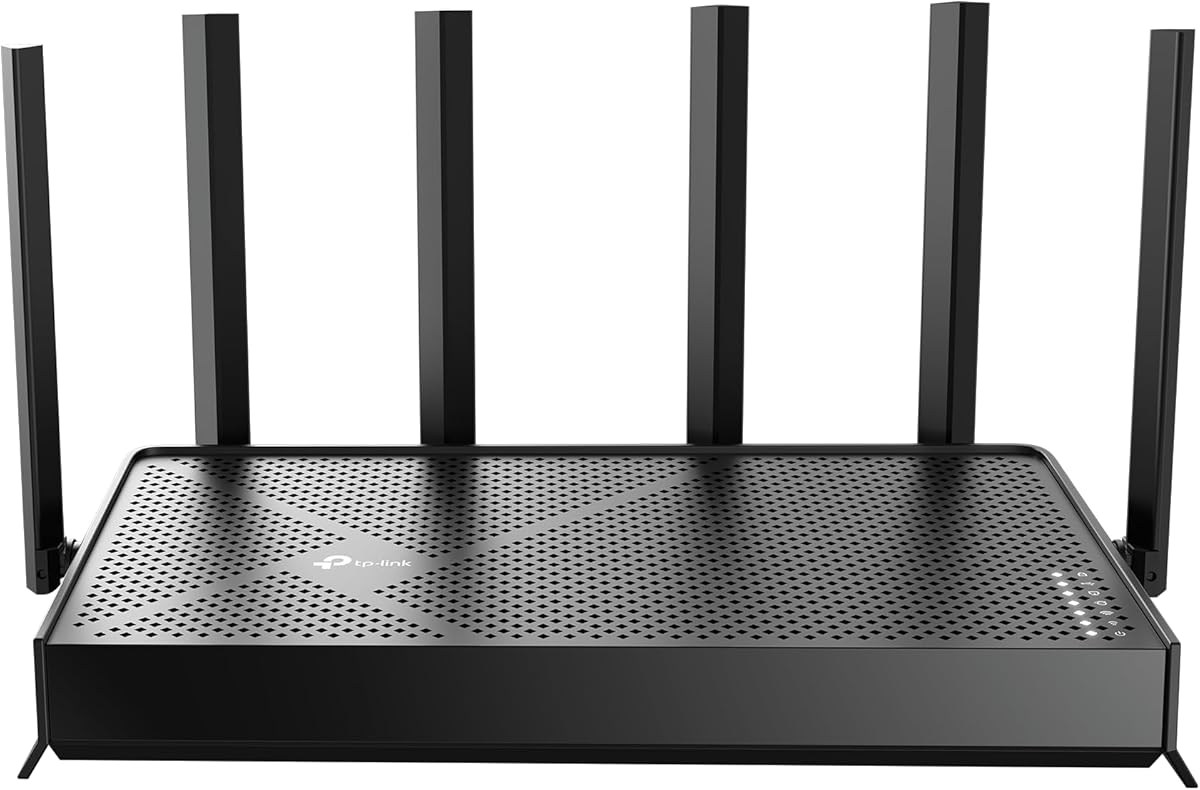
The TP-Link BE6500 is a WiFi 7 router designed for next-gen performance. Rated at 4.3 stars, it features Multi-Link Operation and 4K-QAM for optimized speeds. It offers up to 2,400 sq ft coverage and 2.5 Gbps ports for ultra-fast wired connections.
We may earn a commission when you buy through this link, at no additional cost to you.
This router ensures seamless 4K/8K streaming and low-latency applications. TP-Link's cybersecurity commitment ensures robust protection. It supports VPN clients and servers for secure remote access. EasyMesh compatibility allows expansion without new hardware.
You need compatible devices to utilize full WiFi 7 speeds. Also, it does not work with Deco systems. However, the investment prepares your business for faster internet speeds and better efficiency.
Buy this router for modern offices needing high-speed performance. It is best for businesses with compatible devices ready for Wi-Fi 7 adoption.
Simultaneously transfers data across bands for enhanced throughput and lower latency.
We may earn a commission when you buy through this link, at no additional cost to you.
The NETGEAR Nighthawk WiFi 7 router delivers tri-band speed up to 9.3 Gbps. With a 4.3-star rating, it ensures fast connectivity for up to 100 devices. Its dedicated third high-speed band keeps up with streaming and gaming demands.
We may earn a commission when you buy through this link, at no additional cost to you.
This router pairs easily with existing modems and supports multi-gig internet plans. The Nighthawk app simplifies setup and management. Security features come enabled out of the box to protect networks.
While powerful, larger homes might still need mesh systems for full coverage. The price is higher than WiFi 6 options. Yet the speed and reliability justify the cost for businesses needing performance.
Choose this router for businesses needing fast speeds for video calls and smart devices. It is best for offices planning to upgrade to gigabit internet.
Dedicated tri-band with third high-speed band for demanding devices.
We may earn a commission when you buy through this link, at no additional cost to you.
The ASUS RT-BE88U boosts throughput up to 7200Mbps with WiFi 7. Rated 4.3 stars, it offers one 10G SFP+ port and one 10G WAN/LAN. It supports 10G networks, making it perfect for businesses needing high capacity.
We may earn a commission when you buy through this link, at no additional cost to you.
With a 2.6GHz quad-core CPU, it handles demanding applications easily. Guest Network Pro allows five SSIDs for IoT and visitors. AiProtection Pro provides commercial-grade security.
This router is expensive and may be overkill for basic users. However, the wired capacity and performance are unmatched. It is a powerhouse for tech-forward businesses.
Invest in this router for businesses needing high wired capacity and speeds. It is best for those with large data needs and modern networks.
Bolster your wired network capacity up to 34G with 10G SFP+ port.
We may earn a commission when you buy through this link, at no additional cost to you.
Selecting the right commercial wireless router involves evaluating several critical factors to ensure your business network runs smoothly. This guide breaks down the key aspects to consider before making a purchase.
Choose a router that supports the latest WiFi standards like WiFi 6 or WiFi 7. These standards offer higher speeds, better efficiency with multiple devices, and improved security. Faster throughput ensures that streaming and video calls remain lag-free.
Always check the maximum data rates advertised and match them with your internet plan to avoid bottlenecks.
Businesses need robust security to protect sensitive data. Look for routers with built-in firewalls, VPN support, and malware protection. Advanced routers may offer free security subscriptions or features like dynamic passphrases.
Prioritize models that include enterprise-grade security to prevent unauthorized access and ensure compliance with business standards.
Easy management is crucial for businesses without dedicated IT staff. Routers offering cloud management, mobile apps, or user-friendly dashboards save time. Features like remote setup and guest portal customization simplify operations.
Select a router with intuitive management tools to reduce setup time and ongoing maintenance efforts.
Consider whether the router can scale as your business grows. Mesh compatibility or support for multiple access points allows you to expand coverage without replacing hardware. Scalable systems support more devices and larger areas.
Choose a modular system that allows adding access points or satellites as your office expands.
Check the number and speed of Ethernet ports available. High-end routers may include 2.5G or 10G ports for ultra-fast wired connections. This is essential for connecting servers, NAS, or workstations needing reliable speeds.
Ensure the router has sufficient and fast ports to support your critical wired devices.
For businesses interacting with customers, customizable guest portals enhance branding. Features like custom SSIDs and branded login pages improve the user experience. These tools are vital for retail stores and cafes.
Look for routers that allow easy customization of guest networks to align with your business identity.
Businesses cannot afford downtime. Routers with backup WAN options or failover capabilities keep you connected if the primary line fails. Reliable hardware ensures uninterrupted operations.
Opt for routers with features like USB backup WAN or dual internet inputs for continuous connectivity.
A solid warranty indicates confidence in product quality. Look for at least a 5-year warranty and accessible technical support. Good support ensures issues are resolved quickly.
Choose brands offering long-term warranties and reliable customer service for peace of mind.
Start by placing your router in a central location away from interference sources like microwaves or thick walls. This ensures optimal signal distribution throughout your business space. Elevate the device on a shelf or mount it high on a wall if possible.
Regularly update your router's firmware to patch security vulnerabilities and improve performance. Most modern routers offer automatic updates via mobile apps. Checking for updates quarterly ensures your network stays protected.
Monitor connected devices periodically to identify unauthorized access. Use built-in management tools to block unknown devices and adjust bandwidth limits. Proper management keeps your network efficient and secure.
Commercial routers are designed to handle more connected devices and offer advanced security features like VLANs and enterprise-grade firewalls. They often support centralized management and guest portal customization which are not typically found in home models.
Not always. Some access points offer standalone mode for basic setups, but using a controller or cloud platform simplifies managing multiple devices and configurations. Controllers enable features like seamless roaming and centralized security.
Yes, WiFi 6 routers are backward compatible with older devices but do not offer the full speed benefits of WiFi 7. To utilize WiFi 7 speeds, both the router and the devices must support the newer standard.
High-quality commercial routers can support anywhere from 100 to over 200 devices simultaneously. The exact number depends on the router model and network traffic. Always check specs for recommended device limits.
Cloud management is highly recommended for businesses with multiple locations or remote staff. It allows centralized control without physical controllers. This simplifies maintenance and ensures consistent policies across sites.
Backup WAN allows the router to switch to a secondary connection like a mobile hotspot if the primary broadband fails. This is useful for maintaining connectivity during outages ensuring business continuity.
Choose a mesh system if you need coverage over large areas or multiple floors. Single routers work well for smaller offices. Mesh systems eliminate dead zones by connecting multiple nodes seamlessly.
Prioritize features like firewalls, automatic security updates, and guest network isolation. These protect your business data from external threats and prevent unauthorized access to internal systems.
Choosing the right commercial wireless router depends on your specific business needs and budget. We highlighted ten top models ranging from budget-friendly access points to high-performance mesh systems. Each option offers unique strengths suitable for different environments.
Prioritize features like security, scalability, and ease of management when making your decision. Investing in a reliable router ensures smooth operations and protects your data effectively. Consider future growth when selecting a network solution.
Remember to check current availability and specifications before purchasing as product details may change over time. Stay informed to ensure your business network remains fast and secure for all users.