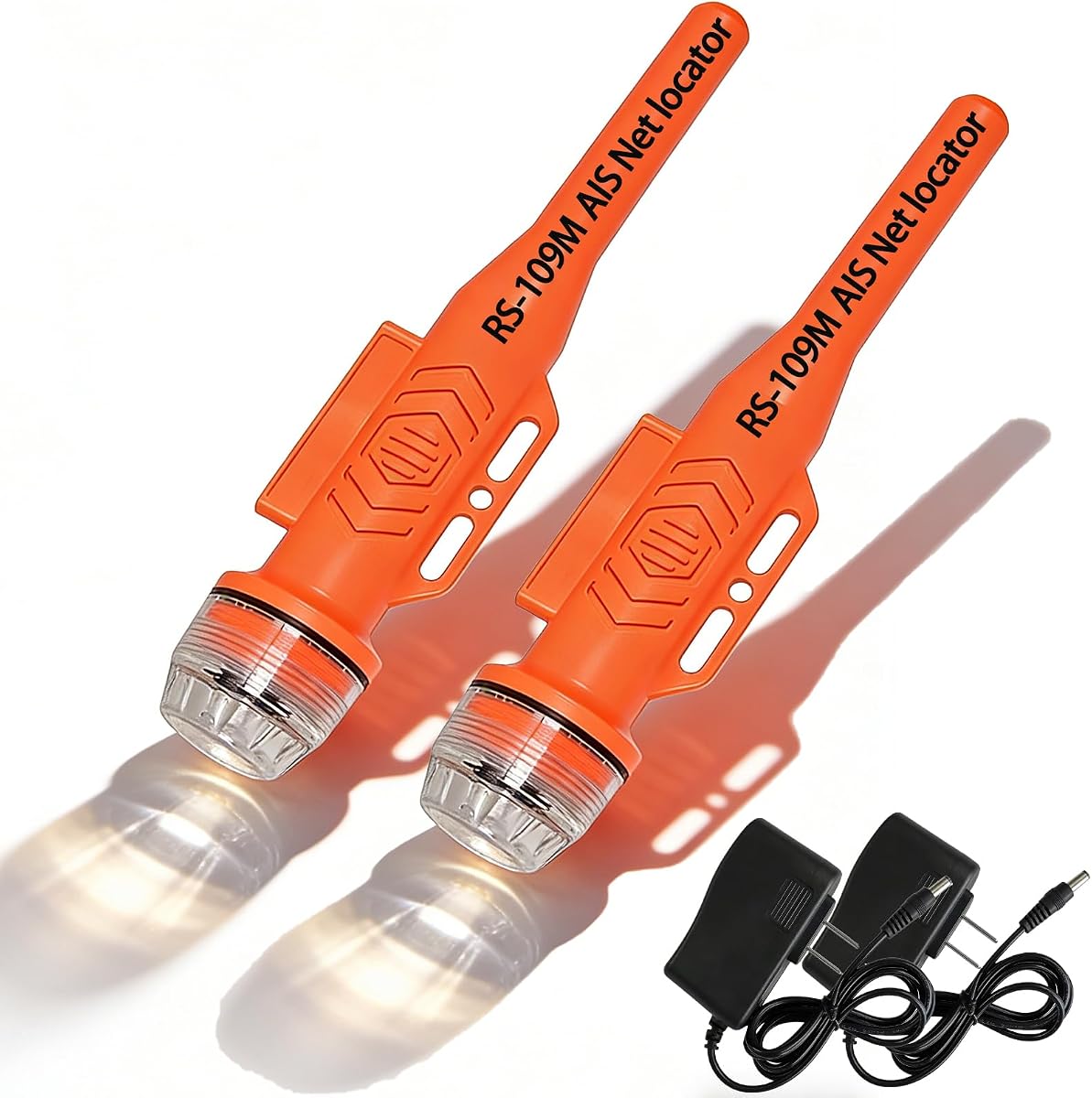
RS-109M Marine Net Locator
4.5Editor score
IPX7 waterproof housing
Up to two weeks battery life
Ten nautical mile signal range
Modern marine navigation relies heavily on Automatic Identification Systems to ensure safety and situational awareness on the water. An AIS transponder broadcasts your vessel position allows speed, and course to nearby ships and coastal stations. This technology helps prevent collisions and aids in search and rescue operations effectively.
We evaluated ten leading AIS transponders ranging from personal beacons to full Class A commercial units. Our analysis considers display quality, integration options, signal range, and ease of installation for various boat types. Each product brings unique features designed to enhance maritime safety and communication protocols.
Every pick in this list showcases specific strengths whether you need budget friendly tracking or professional grade collision avoidance. We detail key specs pros and cons to guide your purchasing decision confidently. Please note that retail prices fluctuate regularly so check current listings before buying.
4.5Editor score

4.8Editor score
4.9Editor score
As an Amazon Associate we earn from qualifying purchases.
The following table provides a side-by-side comparison of all ten selected AIS transponders. We highlight key specifications for each model to help you quickly identify the best fit for your specific maritime navigation and safety requirements.




The Icom MA-510TR stands out as a top choice for modern vessel navigation systems. It features a vibrant 4.3 inch color display that makes reading critical data easy even in bright sunlight. This unit combines essential AIS transmission with robust navigation tools.
We may earn a commission when you buy through this link, at no additional cost to you.
Key strengths include the integrated GPS which eliminates the need for an external receiver and USB connectivity for versatile integration. The multilingual user interface supports five languages making it accessible to international crews. Silent mode allows secure operations without broadcasting unnecessary data.
While the price is higher than basic Class B options the feature set justifies the investment for serious boaters. DSC calling requires compatible VHF radios which adds a dependency but enhances safety capabilities significantly. Overall it offers great value for its comprehensive functionality.
Boaters seeking an all-in-one solution will appreciate the balance of features and reliability. The Anchor Watch alarm and Collision alarm provide extra security layers. We recommend this unit for coastal cruisers who need dependable and intuitive AIS capabilities on board.
The built-in GPS ensures accurate positioning without extra hardware installation. This saves valuable space and reduces wiring complexity on smaller vessels.
Silent mode allows you to operate without broadcasting your identity constantly. This is particularly useful for tactical or sensitive operations on the water.
We may earn a commission when you buy through this link, at no additional cost to you.
The EM-TRAK B921 offers a reliable Class B transceiver solution for vessels needing essential AIS transmission capabilities. Its compact design makes it suitable for smaller boats where space is a premium constraint. The unit supports both 12 and 24 volt power systems.
We may earn a commission when you buy through this link, at no additional cost to you.
Strengths lie in its simple and robust construction designed to handle harsh marine environments. It provides the core functionality required for collision avoidance and identification with nearby traffic. The standard installation process ensures it can fit into existing setups easily.
Users should note that documentation can be limited which may require some technical knowledge to configure effectively. Without a built-in display it relies on an external chartplotter or NMEA network to show data. This trade-off makes it less user-friendly for solo casual boaters.
This transponder is best suited for sailors who have existing navigation systems and need a reliable transmitter. It delivers solid performance for the price point without unnecessary extras. We recommend it for budget-conscious skippers prioritizing functional compliance and durability.
Supporting both 12 and 24 volt systems makes it versatile for various boat types. You do not need additional converters to power this unit effectively.
The compact form factor allows installation in tight lockers or consoles. It blends seamlessly into setups where larger units would clutter the deck.
We may earn a commission when you buy through this link, at no additional cost to you.
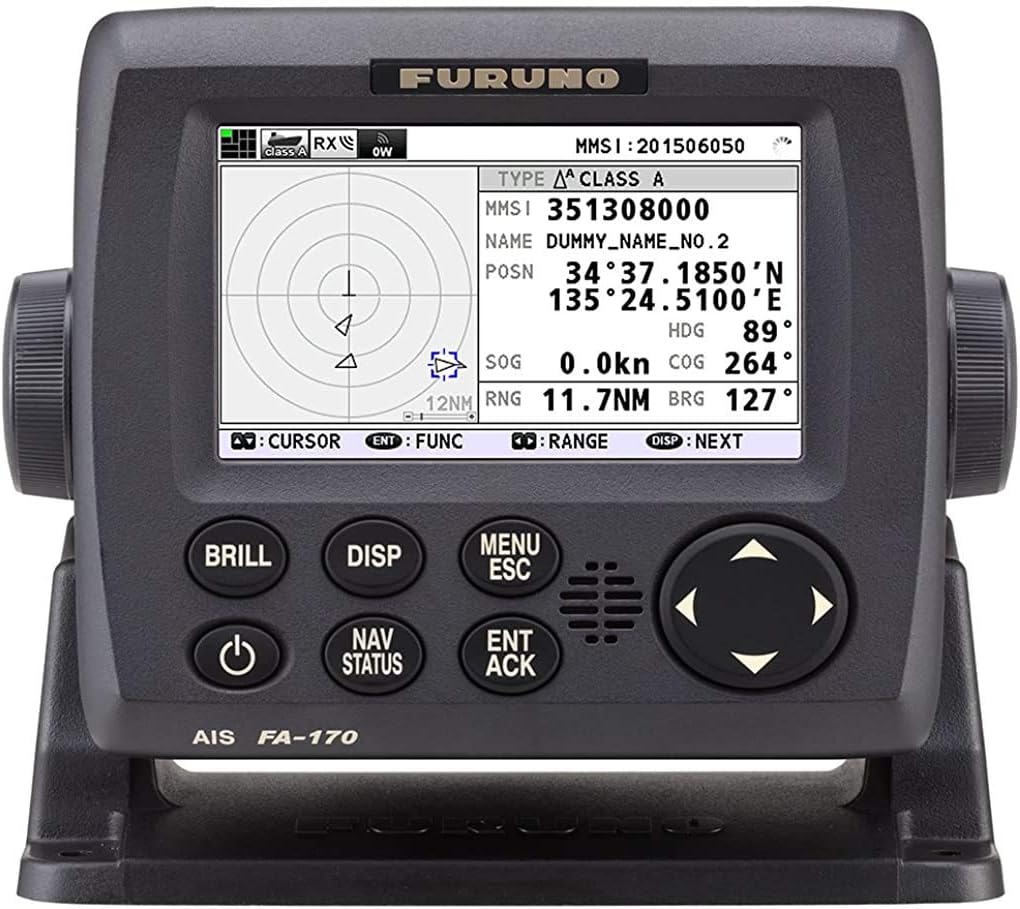
The Furuno FA170 is a professional grade Class A transponder designed for commercial and serious recreational vessels. It ensures maximum visibility to other ships with high priority signal transmission. The unit includes advanced safety features to enhance collision avoidance scenarios effectively.
We may earn a commission when you buy through this link, at no additional cost to you.
Its standout feature is the capacity to store up to 2048 AIS targets and AIS SARTs providing extensive situational awareness. You can also create custom AIS messages or send name requests to target ships for better communication. The LAN port supports modern network integrations for data sharing.
While the price is high this unit offers capabilities that justify the cost for safety conscious captains. The setup process can be complex for beginners but the resulting performance is robust and reliable. It is built to withstand demanding operational requirements and continuous use.
Boaters requiring the highest level of safety and network integration will find this unit indispensable. The dangerous target list function adds an extra layer of security in busy waters. We recommend it for commercial operators and large yachts needing top tier performance.
Storing thousands of targets means you can review past traffic patterns easily. This historical data helps in route planning and safety analysis later.
The LAN port allows seamless connection to modern onboard networks. This facilitates easy data sharing with other navigation displays and systems.
We may earn a commission when you buy through this link, at no additional cost to you.
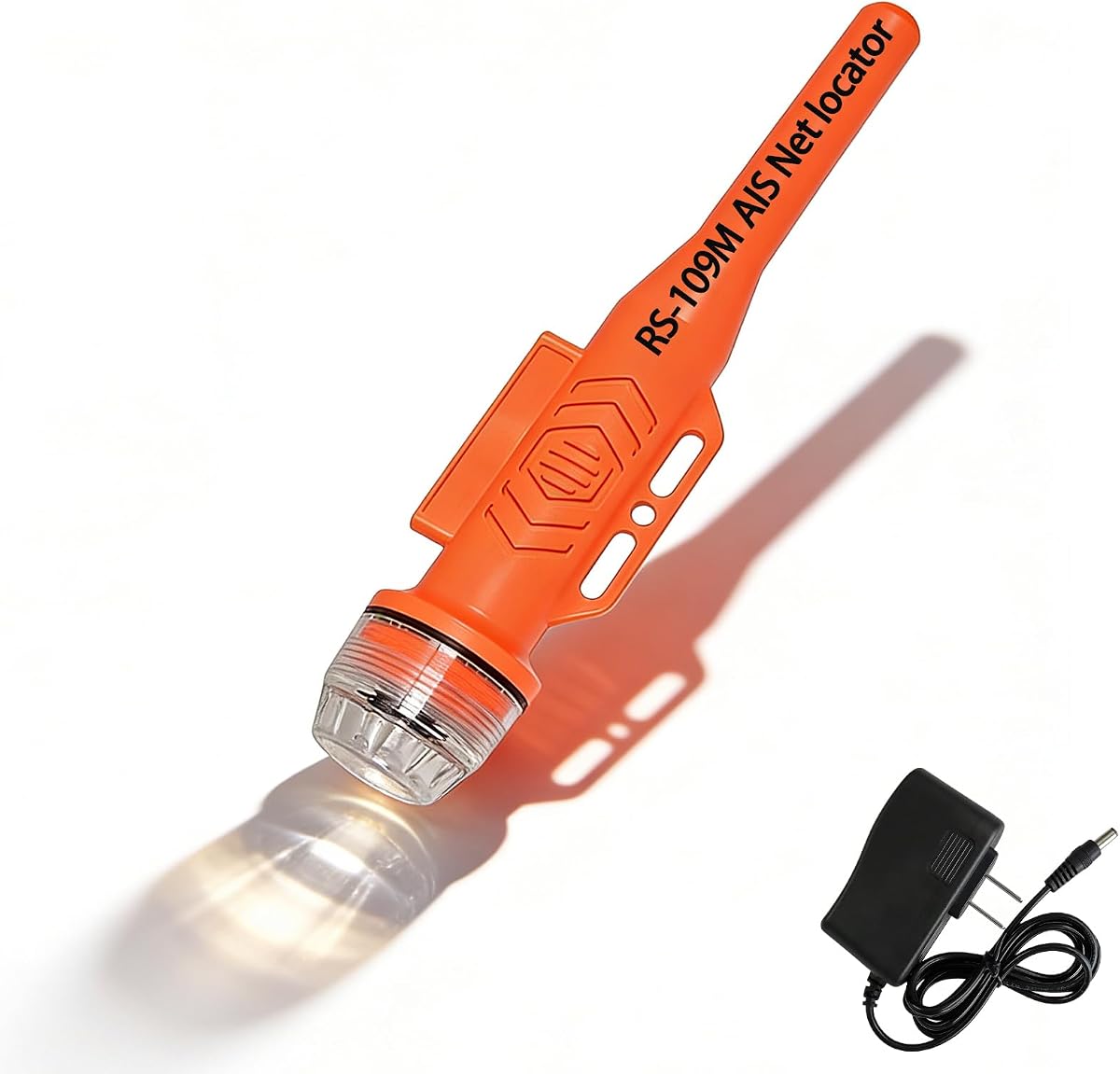
The RS-109M Buoy Tracker is an exceptional budget option for marking fishing nets and buoys with AIS signals. It provides affordable tracking for those who need to locate gear without spending a fortune. The device is fully waterproof and ready for submerged conditions immediately.
We may earn a commission when you buy through this link, at no additional cost to you.
Key strengths include the high capacity 3000mAh battery that supports up to two weeks of continuous transmission. Real-time battery level synchronization ensures you always know when maintenance or replacement is needed. The GPS positioning is accurate enough for reliable retrieval in open waters.
The main trade-off is that it is designed primarily for buoys and not vessel navigation. Its ten nautical mile range is sufficient for coastal use but may limit offshore reach. Users should ensure they understand these limitations before purchasing for other purposes.
For anglers needing reliable gear tracking this unit offers immense value for the cost. It reduces lost equipment risk and enhances safety by making buoys visible to other boats. We recommend it as a primary solution for fishing fleets on a tight budget.
Affordable pricing allows outfitting multiple buoys without breaking the bank. This is ideal for fishing operations needing wide coverage on limited gear.
The lithium battery delivers weeks of signal transmission on a single charge. This reduces maintenance frequency and ensures consistent coverage for your gear.
We may earn a commission when you buy through this link, at no additional cost to you.
The Raymarine VHF and AIS Bundle combines two critical communication tools into one cohesive package for boat safety. It includes the Raymarine AIS 700 transceiver alongside a fixed mount VHF radio. This setup simplifies installation and ensures compatibility between units from the start.
We may earn a commission when you buy through this link, at no additional cost to you.
Users benefit from the reliability of the Raymarine brand known for robust marine electronics. The bundle approach means all cables and accessories needed are included reducing extra costs. It is a solid choice for owners wanting a streamlined navigation and communication center on board.
The main disadvantage is the higher upfront cost compared to buying units separately if you already have gear. Additionally some older display systems may require updates to fully utilize the AIS features. These factors should be weighed against the convenience of the bundle offering.
New boat owners or those upgrading both systems will find this bundle offers great value. It ensures you have the latest safety technology working together seamlessly. We recommend it for those seeking a hassle-free installation and trusted performance.
Purchasing together ensures perfect compatibility between VHF and AIS systems. This reduces installation time and eliminates guesswork about cable connections.
Raymarine products integrate smoothly with other display and navigation gear. This ecosystem approach enhances overall performance and ease of use on the water.
We may earn a commission when you buy through this link, at no additional cost to you.
The ACR RESQLINK AIS Personal Beacon offers critical protection for individual crew members in emergency situations. It sends distress alerts to both local vessels via AIS and global satellites. This dual channel approach significantly increases the chances of a timely rescue response.
We may earn a commission when you buy through this link, at no additional cost to you.
Features like the Return Link Service confirm when rescuers have received your signal. This peace of mind is invaluable for offshore sailors who need reassurance during emergencies. The device is small lightweight and designed to attach easily to PFDs for constant wear.
While highly effective for safety the cost is significant compared to standard marine electronics. It is a specialized tool meant strictly for emergencies rather than daily navigation. Users must test regularly to ensure battery health and signal reliability for critical moments.
For anyone navigating alone or in remote waters this beacon is an essential safety item. It provides the best chance of location and recovery if an accident occurs on the water. We strongly recommend including one in your emergency preparedness kit.
Using both AIS and satellite frequencies maximizes rescue chances globally. This redundancy ensures that help knows your location regardless of local coverage.
The Return Link Service confirms your distress signal is seen by rescuers. This feedback loop reduces anxiety and helps focus on survival until help arrives.
We may earn a commission when you buy through this link, at no additional cost to you.
The RS-109M Single Tracker provides the same reliable performance as the twin pack but for individual gear marking. It is ideal for boaters needing just one or two buoys tracked effectively on the water. The device features a fully sealed housing that meets IPX7 waterproof standards.
We may earn a commission when you buy through this link, at no additional cost to you.
Its high-sensitivity GPS module ensures quick and precise updates for navigation and retrieval. The battery lasts up to two weeks continuously reducing maintenance frequency for fishing nets. The ten nautical mile signal range ensures clear coverage across coastal waters for your gear.
Like the twin pack it is designed specifically for buoys and not for vessel navigation. The price is lower than buying two units so it works well for small operations. Users should verify their specific buoy needs before selecting single or pack options.
This tracker offers excellent value for anglers needing basic tracking without extra complexity. It balances cost reliability and battery life perfectly for most recreational uses. We recommend it for those needing a simple and effective solution for gear recovery.
High-sensitivity modules ensure you get accurate location data quickly. This accuracy helps retrieve lost gear faster even in heavy currents.
The sealed housing protects internal electronics from water damage completely. You can trust it to perform reliably even when fully submerged for long periods.
We may earn a commission when you buy through this link, at no additional cost to you.
The Icom M94D VHF transceiver combines a high-power radio with an integrated AIS receiver for enhanced situational awareness. This allows you to see nearby traffic on the screen without needing a separate display. It offers a convenient entry into AIS safety for boats with limited space.
We may earn a commission when you buy through this link, at no additional cost to you.
Key features include a loud 1500 mW speaker that ensures calls stay intelligible in noisy engine rooms. The battery life supports up to ten hours of operation which is ideal for long day trips. Built-in GPS navigation simplifies waypoint management for repeated routes.
Since it only receives AIS it does not broadcast your position to others. This is acceptable for safety monitoring but does not fulfill full AIS requirements. The Float'n Flash feature adds extra security by sending distress signals if dropped overboard.
Mariners wanting radio and traffic visibility in one box will appreciate this combination. It is a smart upgrade from standard radios for improved safety awareness on board. We recommend it for small boats where space is limited for separate navigation displays.
Integrated AIS receiver displays traffic on screen alongside radio functions. This dual function reduces clutter and simplifies navigation operations on the helm.
Loud audio ensures clear communication even in challenging noise conditions. The MOB function provides rapid distress signaling for emergencies overboard.
We may earn a commission when you buy through this link, at no additional cost to you.
The Icom M510 EVO is a next generation VHF transceiver designed with modern integration in mind. It supports AIS receiver capabilities and NMEA 2000 networks for seamless data exchange with other electronics. This unit represents a significant leap in communication technology for boats.
We may earn a commission when you buy through this link, at no additional cost to you.
Its clean design and intuitive controls make operation easy for all users. The NMEA 2000 compatibility means it can share data across your boat's network efficiently. This future-proofs your investment by aligning with current marine electronics standards.
While the price is higher than older models the capabilities justify the expense for tech savvy owners. It requires a NMEA network to fully utilize its features which may need retrofitting. For boats already equipped with this standard it is a perfect fit.
Captains upgrading to modern systems will find this radio offers reliable performance and flexibility. It ensures you stay connected and informed while navigating busy waterways. We recommend it for vessels with existing digital navigation infrastructures.
NMEA 2000 support ensures compatibility with modern navigation displays. This allows easy data sharing across your entire onboard electronic ecosystem.
Icom radios are known for robust build quality and signal clarity. This unit continues that legacy ensuring dependable communication in critical situations.
We may earn a commission when you buy through this link, at no additional cost to you.
The Raymarine AIS700 is a versatile Class B transceiver designed for use with multifunction display systems. It offers full transmit and receive capabilities to enhance situational awareness significantly on the water. The SO-TDMA networking ensures longer range and faster performance than older systems.
We may earn a commission when you buy through this link, at no additional cost to you.
A major advantage is the built-in antenna splitter which simplifies installation with existing VHF antennas. This saves the need for separate hardware and reduces wiring complexity on board. It supports multiple protocols including NMEA2000 and NMEA0183 for broad compatibility.
Some users report mixed experiences regarding setup complexity and connectivity which can vary by boat. It relies on an external display to visualize data which adds to the total system cost. However the networking features remain robust for modern marine electronics integration.
Boaters with Raymarine displays will find this unit integrates smoothly with their existing setup. It offers reliable performance for vessels needing a standard Class B capability without premium costs. We recommend it for sailors already invested in the Raymarine navigation ecosystem.
The built-in splitter allows sharing one antenna between VHF and AIS. This reduces clutter on the mast and simplifies installation for smaller vessels.
SO-TDMA technology ensures your AIS stays current with network demands. This improves communication efficiency with other ships and coastal stations.
We may earn a commission when you buy through this link, at no additional cost to you.
Selecting the right AIS transponder requires understanding your vessel needs and budget constraints. We break down the most important factors to consider before making a purchase.
Class A transponders provide higher priority signals and are mandatory for commercial vessels. Class B units are designed for recreational boats and offer essential safety features at a lower cost. Choose Class B unless you require the higher transmission priority for commercial regulations.
Focus on Class B for most personal vessels unless specific regulations dictate otherwise.
Some units include built-in displays while others rely on external plotters. Consider your current navigation setup to avoid unnecessary extra spending. A standalone unit with its own screen simplifies operation for small craft.
Ensure the unit matches your existing chartplotter or network connections.
Battery capacity is critical for buoys and emergency beacons where external power is unavailable. Look for lithium batteries that offer weeks of transmission. Fixed vessel units should have robust power management to handle long cruises.
Prioritize battery specs for portable or buoy tracking applications.
Installation complexity varies from simple plug-and-play units to those needing wiring and calibration. Built-in antenna splitters and pre-assembled bundles can save significant time and effort. If you are not technical consider a bundle that includes all necessary parts.
Check if the unit needs professional installation before purchasing.
Advanced features like Collision Alarm Anchor Watch and MOB functions add layers of security. These are essential for high traffic areas or when navigating alone. Prioritize models that offer audible and visual alerts for immediate awareness.
Look for models with specific alarms for your navigation style.
Marine electronics face salt spray moisture and impact. An IPX7 or higher waterproof rating ensures the unit survives harsh conditions. Look for rugged casings designed for boat environments.
Verify waterproof ratings to protect your investment from water damage.
Prices range from affordable trackers to premium transponders. Determine how much you need to spend without compromising core functionality. Often a mid-range unit offers the best value for most recreational skippers.
Set a clear budget to avoid overspending on unnecessary features.
Reputable brands offer better warranties and customer service. Check for firmware updates and community support for troubleshooting. Reliable support ensures you can get help when technical issues arise.
Choose established brands with strong reputations in marine electronics.
Install the transponder in a dry sheltered location away from direct sun and spray. Ensure the antenna is mounted clear of metal obstructions for optimal signal strength.
Regularly update your vessel details and MMSI numbers to keep data accurate. Check battery levels monthly and perform self-tests to confirm functionality.
Clean the casing with fresh water and mild detergent to remove salt residue. Inspect cables for corrosion annually to maintain reliable connections.
Most recreational boats should use a Class B transponder as it is sufficient for safety and compliance. Class A units are mandatory for larger commercial vessels. Choose based on your specific boat size and local maritime laws.
Yes most transponders have built-in GPS receivers so external units are not necessary. However some legacy models might require separate GPS integration. Check the manual to confirm requirements for your specific unit.
The typical range is around 10 to 20 nautical miles depending on antenna height and power. In open waters with clear line of sight it can be further. For coastal cruising this range is sufficient for awareness.
Fixed units draw power from your boat battery while portable beacons have internal lithium batteries. Portable units typically last years with occasional testing while continuous transmission can shorten this. Check specs for expected operational time.
Simple models often allow DIY installation with basic tools and instructions. Complex setups requiring NMEA wiring may need professional help. Always disconnect power before working on electrical connections.
It depends on boat size and local regulations. Commercial vessels and large yachts are often required to have it while small recreational boats are not. Check with local maritime authorities for exact rules.
We have reviewed ten options from budget trackers to professional systems to suit every need. The top picks highlight the best balance of features reliability and value for most skippers.
Prioritize safety features like collision alarms and waterproof ratings when selecting a unit. Ensure compatibility with your existing navigation gear before making a final purchase.
Remember that prices and availability fluctuate regularly so check current listings before buying. Choose the model that offers the best peace of mind for your specific voyages.