High-Power 500mm/1000mm f/8 Manual Telephoto Lens
4.0Editor score
1000mm teleconverter included
Manual focus and aperture
Compatible with Canon EF mount
Explore the top camera lens for long distance wildlife to capture sharp shots of animals from afar. This guide compares ten telephoto lenses for nature
Capturing wildlife from a safe distance requires powerful optics. A dedicated camera lens for long distance wildlife ensures you get sharp, detailed images without disturbing the subjects in their natural habitat.
We compared ten top-rated telephoto lenses based on reach, image stabilization, autofocus speed, and build quality. Our analysis helps you find the right tool for birding, safari shoots, or backyard nature photography.
Each pick shows key strengths and ideal use cases for different budgets. Prices and availability can change frequently, so always check the latest details before making your final purchase decision online.
4.0Editor score
4.7Editor score

4.0Editor score
This side-by-side comparison highlights the key specifications and strengths of ten telephoto lenses designed for capturing distant wildlife scenes effectively.



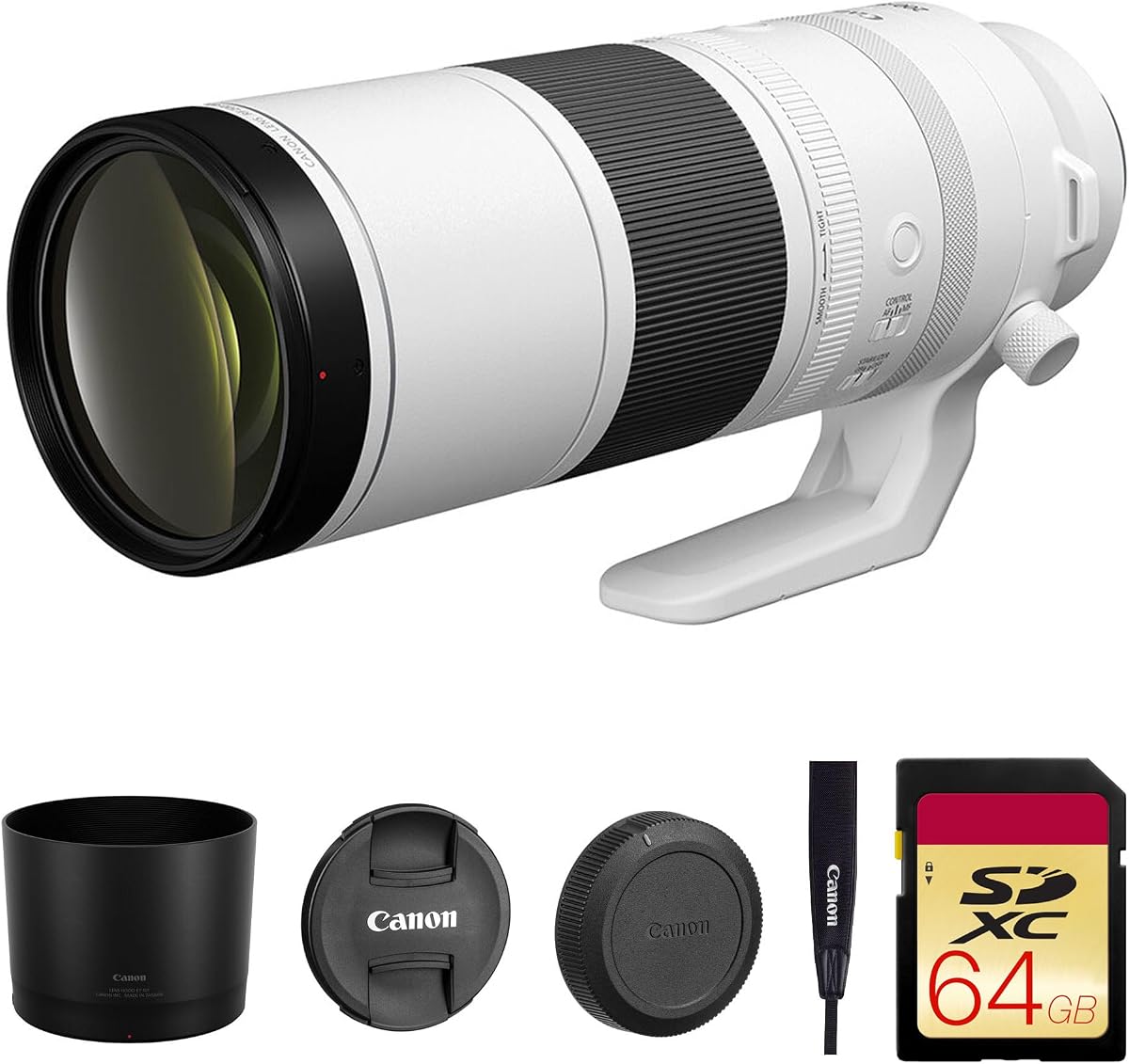
The Canon RF 200-800mm bundle stands out as a top camera lens for long distance wildlife. With a 4.7 rating, it offers unmatched zoom reach for birders and nature shooters seeking crisp distant shots.
We may earn a commission when you buy through this link, at no additional cost to you.
Its built-in stabilization enables handheld tracking of moving animals without blur. The USM autofocus locks quickly on subjects, ensuring you never miss fleeting moments during dynamic outdoor sessions.
While powerful, the lens is surprisingly portable for its class. Some may find the manual control learning curve steep, but the optical clarity makes it worthwhile for high-quality wildlife documentation.
Ideal for professionals and serious hobbyists, this lens delivers exceptional reach and image quality. It remains a premier choice for capturing elusive wildlife from a respectful distance.
The range from 200mm to 800mm covers diverse subjects from birds in flight to distant mammals without swapping lenses.
Built-in image stabilization allows for sharp results even without a tripod, making it easier to track moving wildlife freely.
We may earn a commission when you buy through this link, at no additional cost to you.
This Canon RF200-800mm model is recognized as the world's first AF super-telephoto zoom lens with an 800mm reach. Its design prioritizes comfort for extended wildlife photography sessions.
We may earn a commission when you buy through this link, at no additional cost to you.
The optical design leverages the RF mount to maintain sharpness across the zoom range. It works seamlessly with extenders, doubling flexibility for extreme distance shots without losing compatibility.
Users appreciate the manageable weight for a lens of this power. While it demands a mirrorless RF body, the balance and handling make it ideal for active nature tracking.
Best for Canon mirrorless shooters, this lens combines innovation with practicality. It enables wildlife photographers to capture detailed images with ease and professional results.
A zoom range from 200mm to 800mm provides versatile framing for various wildlife subjects in their natural environment.
Support for RF extenders at all focal lengths allows for even greater reach when needed for distant or elusive subjects.
We may earn a commission when you buy through this link, at no additional cost to you.
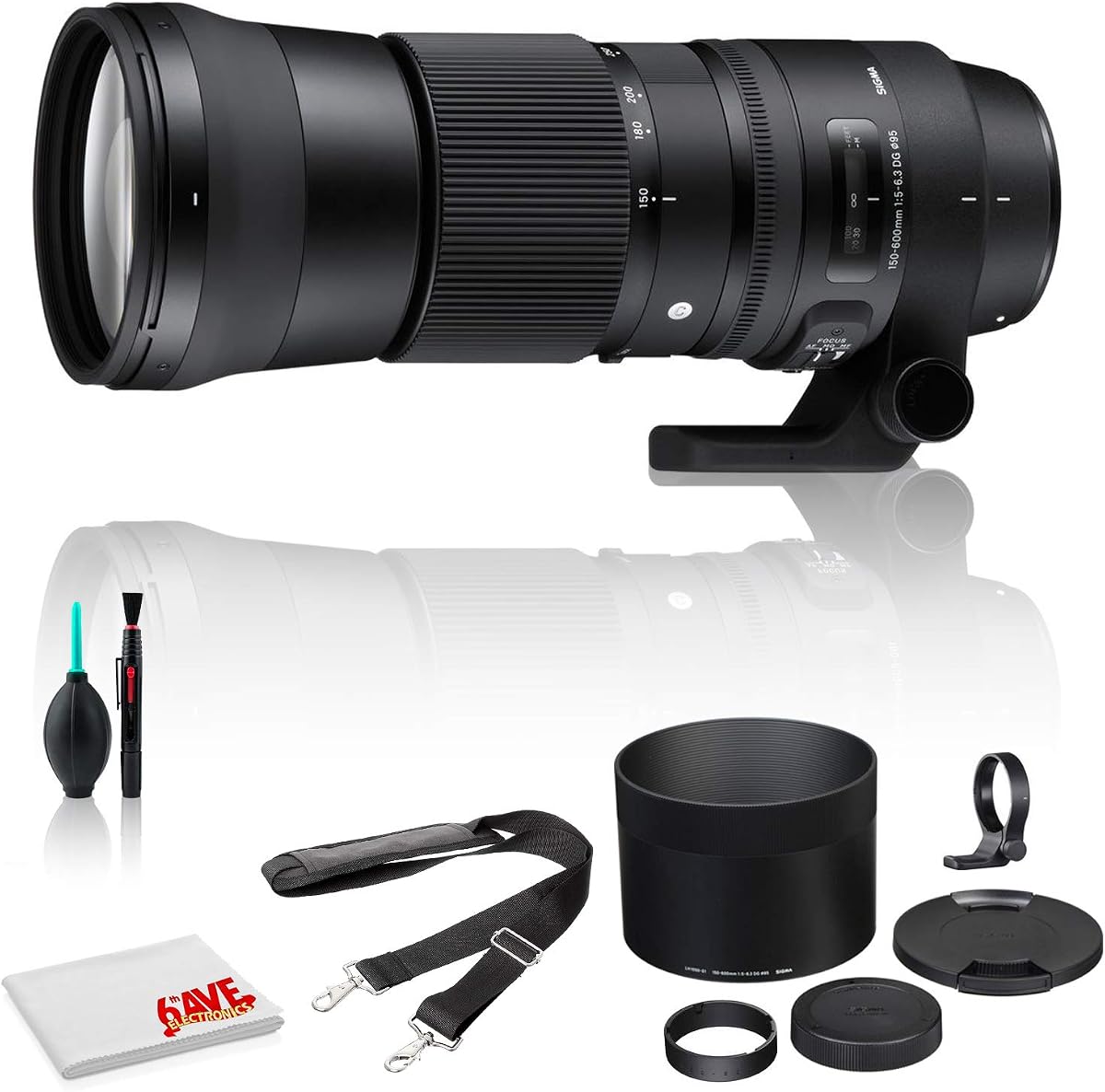
Sigma's 150-600mm lens serves Canon EF shooters seeking a dedicated wildlife lens. With a 4.5 rating, it balances performance and versatility for nature photography on DSLRs.
We may earn a commission when you buy through this link, at no additional cost to you.
Its optical stabilizer with accelerometer compensates for shake, aiding handheld shots. The Hyper Sonic Motor ensures quick autofocus, vital for tracking fast-moving birds or mammals.
The bundle includes a cleaning kit, adding value for field use. While the aperture narrows at 600mm, the image quality remains sharp and detailed for most outdoor conditions.
Ideal for DSLR owners, this lens offers robust performance at a competitive price. It remains a trusted choice for those needing long reach without a mirrorless switch.
The optical stabilizer with accelerometer ensures steady images even during handheld shooting in challenging outdoor environments.
Designed for Canon EF mount full-frame cameras, it delivers excellent coverage for high-resolution wildlife photography.
We may earn a commission when you buy through this link, at no additional cost to you.
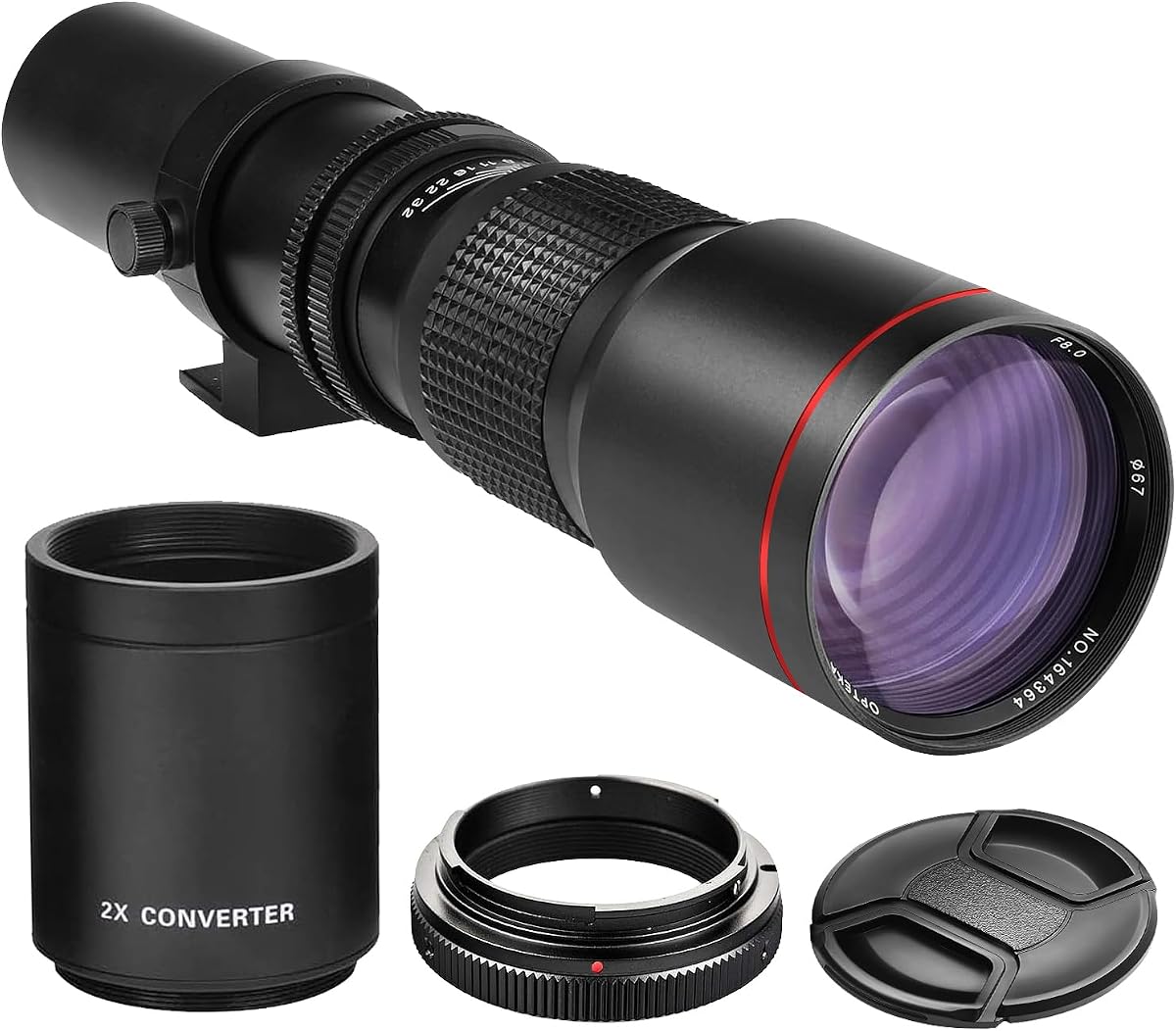
This High-Power lens offers an accessible entry into super-telephoto photography. Rated 4.0, it allows enthusiasts to try long-distance wildlife shots without high investment.
We may earn a commission when you buy through this link, at no additional cost to you.
It includes a 2X teleconverter, doubling power to 1000mm. The multi-coated optical glass ensures clear images, while the EF-mount fits many Canon DSLR models securely.
Manual focus gives full control but requires patience for moving subjects. Its durable build withstands outdoor rigors, making it a reliable companion for static wildlife scenes.
Best for budget-conscious beginners, this lens opens doors to distant photography. With practice, it delivers detailed images of nature and celestial subjects effectively.
Manual focus and aperture settings provide complete creative control over depth of field and exposure for artistic wildlife shots.
The 2X teleconverter boosts the lens power to 1000mm, bringing elusive wildlife closer than ever thought possible.
We may earn a commission when you buy through this link, at no additional cost to you.
The Canon EF 100-400mm L-Series kit delivers professional-grade performance for wildlife photography. With a 4.0 rating, it combines premium optics with versatile zoom range.
We may earn a commission when you buy through this link, at no additional cost to you.
Its optical image stabilization helps maintain sharp images even at slower shutter speeds. The ring-type USM autofocus ensures quick, quiet focus essential for capturing skittish animals.
Included accessories like filter kits add value. While heavier than some compact alternatives, the robust construction and balanced tripod collar make it ideal for prolonged shooting.
Perfect for serious DSLR shooters, this lens meets high standards for clarity and durability. It remains a top choice for wildlife and sports photography alike.
Advanced optical construction with fluorite and UD elements minimizes aberrations for crisp, clear images across the zoom range.
Robust construction with removable rotating tripod collar ensures stability and durability in demanding outdoor shooting conditions.
We may earn a commission when you buy through this link, at no additional cost to you.
This lens provides extreme zoom capabilities for distant subjects. Rated 4.0, it is designed for users needing maximum reach for wildlife without high-end costs.
We may earn a commission when you buy through this link, at no additional cost to you.
The 2X teleconverter extends focal length to 1600mm. Despite manual focus, it offers detailed shots with its HD optical system and versatile Canon DSLR compatibility.
Lightweight and portable, it suits travel and static subjects. However, low light and movement require patience due to the manual operation and fixed aperture.
Best for hobbyists seeking extreme magnification, this lens delivers results on clear days. It is a compelling option for celestial or distant wildlife observation.
The 2X teleconverter doubles the lens power to 1600mm, providing unmatched magnification for distant wildlife and landscapes.
With 420mm-800mm focal range and f/8.3 aperture, it captures intricate details in photos with enhanced photographic flexibility.
We may earn a commission when you buy through this link, at no additional cost to you.
The Canon RF100-400mm is a versatile choice for EOS R shooters. Its 4.6 rating reflects strong performance for wildlife photography within a compact form factor.
We may earn a commission when you buy through this link, at no additional cost to you.
Optical stabilization offers up to 5.5 stops, rising to 6 with IBIS. The Nano USM ensures fast autofocus, making it agile for capturing quick wildlife movements.
While shorter in reach than 800mm options, it balances well for handheld use. Its high image quality and smooth zooming make it ideal for general nature scenes.
Best for mirrorless users prioritizing portability, this lens offers quality without bulk. It is a smart upgrade for R-series camera owners.
Up to 5.5 stops of shake correction ensure steady shots even when handholding the lens in the field.
High speed, smooth, and quiet autofocus allows precise tracking of wildlife without disturbing them.
We may earn a commission when you buy through this link, at no additional cost to you.
This Canon EF 75-300mm is a staple for entry-level wildlife shooters. With a 4.7 rating, it provides a reliable option for casual nature photography.
We may earn a commission when you buy through this link, at no additional cost to you.
The improved zoom mechanism makes operation smoother than previous models. Its light weight and compact size help reduce fatigue during longer outings.
Lacking stabilization means a tripod helps for sharpness at 300mm. Despite this, it delivers clear images and serves well for close wildlife and scenic shots.
Ideal for beginners, this lens introduces telephoto versatility affordably. It remains a practical addition for expanding camera kit capabilities.
The zooming mechanism is improved for smoother operation, enhancing the shooting experience during wildlife sessions.
Weighing only 16.8 ounces, it is compact and easy to handle for handheld photography adventures.
We may earn a commission when you buy through this link, at no additional cost to you.
This Nikon bundle delivers robust performance for FX and DX shooters. Rated 4.2, it covers versatile wildlife needs with reliable AF and stabilization.
We may earn a commission when you buy through this link, at no additional cost to you.
The Vibration Reduction provides 4.5 stops of correction, aiding handheld stability. Silent Wave Motor ensures rapid, accurate focus, crucial for dynamic animal movement.
Included kits add value for immediate use. While weight is a factor, the tripod collar ensures balance, making it suitable for serious photography sessions.
Perfect for Nikon DSLR users, this lens balances reach and optical quality. It is a solid investment for capturing detailed wildlife imagery effectively.
Vibration Reduction minimizes camera shake, providing up to 4.5 stops of stabilization for sharper handheld images.
Silent Wave Motor ensures rapid and silent autofocus, enhancing tracking accuracy for fast-moving wildlife.
We may earn a commission when you buy through this link, at no additional cost to you.
This renewed lens offers budget-friendly access to Canon optics. With a 4.7 rating, it presents a smart choice for those seeking proven performance.
We may earn a commission when you buy through this link, at no additional cost to you.
It retains the core specs of the new model, including improved zoom mechanisms. The DC motor provides reliable autofocus for entry-level DSLR users.
While it may show minor cosmetic signs of use, functionality remains consistent. It is a practical solution for photographers expanding their telephoto kit cost-effectively.
Ideal for budget-conscious buyers, this lens delivers solid performance. It serves well for casual wildlife photography without the premium cost.
This product is renewed certified, ensuring quality and functionality while offering a more affordable price point.
The DC autofocus motor enables smooth and reliable focusing for consistent image capture.
We may earn a commission when you buy through this link, at no additional cost to you.
Choosing the right lens depends on your camera mount, budget, and target subjects. Understanding key factors helps you make a confident purchase.
Focal length determines how close distant subjects appear. For wildlife, lengths from 300mm to 800mm allow safe, detailed shots without intrusion.
Select a focal range that matches your typical shooting distance and subject size to ensure clear, effective framing.
Image stabilization counters camera shake, essential for sharp handheld shots at long ranges. Systems vary in effectiveness and impact low-light performance.
Prioritize lenses with robust stabilization to reduce blur and improve success rates without a tripod.
Fast and quiet autofocus motors ensure quick tracking of moving animals. Noise can disturb wildlife, so silent systems are preferable.
Look for motors like USM or Silent Wave that offer speed and discretion for natural behavior capture.
Ensure the lens matches your camera body type, such as Canon EF, RF, or Nikon F. Mismatches prevent proper use or reduce functionality.
Verify mount compatibility to guarantee seamless integration and optimal performance with your gear.
Long lenses can be heavy, affecting comfort during extended use. Lighter designs aid handheld shooting but may sacrifice optical build.
Balance weight with handling needs, especially if you hike or need quick mobility in the field.
Telephoto lenses vary widely in price. Higher cost often means better optics and durability, but renewed options offer value for budget-conscious buyers.
Assess total cost including accessories to find the best return on your investment.
Optical elements like UD or FLD glass improve clarity and reduce aberrations. Better build ensures sharp images across the zoom range.
Invest in lenses with advanced optical design for consistent, high-quality results in varied lighting.
Bundles with filters, tripods, or cleaning kits add value. These tools help protect the lens and enhance shooting versatility.
Consider what accessories are included to maximize utility without extra purchases.
Set your camera to continuous autofocus mode to track moving animals smoothly. Adjust shutter speed based on wildlife movement to freeze action effectively.
Clean the lens exterior gently with a soft cloth after each use. Avoid touching optical glass with fingers to prevent smudges and scratches.
Store the lens in a dry, padded case when not in use. Proper storage protects against dust and moisture, ensuring long-term optical performance.
Focal lengths between 300mm and 800mm are ideal for wildlife. They offer the reach needed for distant subjects while maintaining manageable weight.
Yes, stabilization helps reduce blur when shooting without a tripod. It is essential for maintaining sharpness at longer focal lengths.
It depends on the adapter. Canon RF lenses work on mirrorless, while EF lenses may need an adapter for use on mirrorless bodies.
Use a padded case and silica gel packs to control humidity. Always cap lenses when changing cameras to prevent dust entry.
Autofocus is generally preferred for moving subjects due to speed. Manual focus suits static scenes or when precise control is needed.
Apertures between f/5.6 and f/8 balance light and depth of field. Wider apertures help in low light but may narrow at full zoom.
Teleconverters extend reach but reduce light and autofocus speed. They are useful for extreme distance but require good lighting conditions.
The Canon RF 200-800mm and Nikon 200-500mm lead in reach and performance. Budget options like the High-Power manual lens offer accessible entry.
Prioritize stabilization and autofocus speed for dynamic wildlife shoots. Match the lens to your camera mount and comfort level.
Always verify current prices and availability before purchase. These lenses remain excellent tools for capturing nature's wonders effectively.