
TopTes Guard-633 H2S Detector
3.9Editor score
Seven-day battery life
Clip-on portable design
Three alarm modes
This guide compares the top hydrogen sulfide monitors for safety and accuracy in 2026 helping you choose the right device for your specific workplace needs and
Protecting workers from toxic gases requires reliable hydrogen sulfide monitors that deliver accurate readings and timely alerts. Choosing the right device ensures safety compliance and peace of mind in hazardous environments.
We evaluated ten leading models based on sensor precision, battery life, durability, and ease of use. Our comparison highlights key features that distinguish professional grade detectors from basic options.
Each pick shows unique strengths for different scenarios ranging from single gas detection to multi gas monitoring. Please note that product availability and pricing can change frequently on retailer sites.
3.9Editor score

5.0Editor score
4.7Editor score
The following table provides a side-by-side comparison of all ten models including key specifications and performance features to help you make an informed decision quickly.




The Forensics Hydrogen Sulfide Analyzer stands out as a top choice for professionals requiring high precision and reliable data tracking in hazardous environments.
We may earn a commission when you buy through this link, at no additional cost to you.
Its 0.1 ppm resolution ensures you detect even minor fluctuations while the built-in pump allows for faster sampling without relying on diffusion alone.
While it is more expensive than basic clips the included NIST calibration and data logging justify the cost for compliance and detailed safety records.
This monitor is ideal for lab technicians and safety officers who need verified accuracy and the ability to export data for audits.
The high-resolution sensor ensures that even trace amounts of hydrogen sulfide are detected quickly to prevent exposure risks.
USB computer data logging allows you to track events over time and generate reports for safety compliance.
We may earn a commission when you buy through this link, at no additional cost to you.
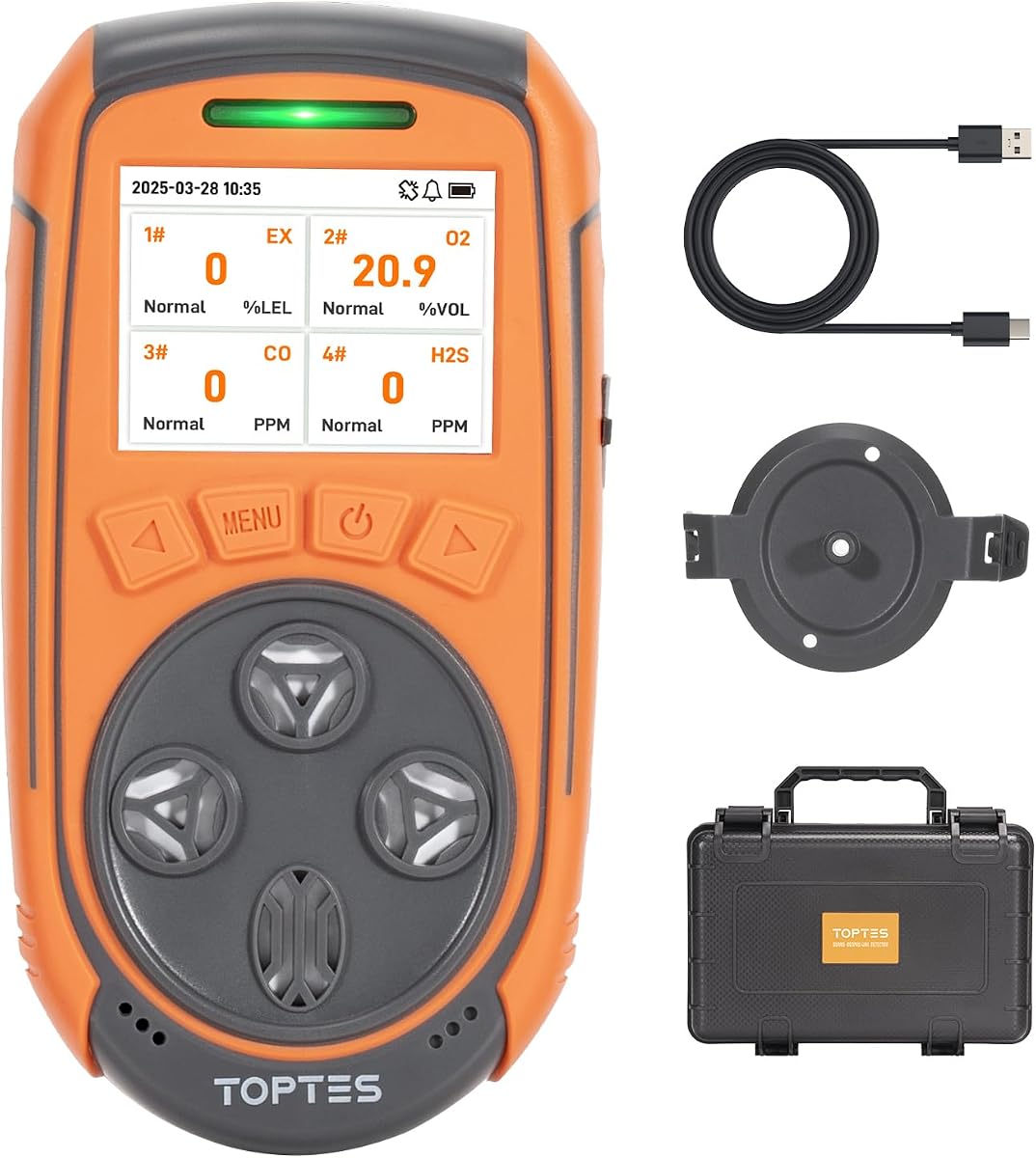
The TopTes Guard-633 offers a cost-effective solution for individuals or small teams needing a single gas detector for hydrogen sulfide.
We may earn a commission when you buy through this link, at no additional cost to you.
Its clip-on design and seven-day battery life make it convenient for daily wear without frequent recharging or battery changes.
Trade-offs include a simpler interface compared to premium models but it still provides essential alarms and explosion-proof safety features.
This is a solid choice for users who want reliable protection without investing in complex multi-gas systems.
The lightweight clip-on form factor allows you to attach it securely to a shirt pocket for hands-free monitoring.
A full charge lasts up to seven days ensuring you stay protected throughout extended shifts or weekend projects.
We may earn a commission when you buy through this link, at no additional cost to you.
The Guard-863Pro brings premium features to the table including multi-gas detection and a vibrant TFT screen for clear visibility.
We may earn a commission when you buy through this link, at no additional cost to you.
Its five-year oxygen sensor lifespan and eighteen-hour battery life reduce maintenance needs while providing extended operational security.
Although it is larger than single gas clips the added safety of monitoring carbon monoxide and oxygen levels justifies the size.
Buy this if you need a comprehensive safety device that handles multiple hazards in complex industrial or confined space environments.
Monitoring H2S alongside CO and oxygen provides a wider safety net for unknown environments or confined space entry.
The TFT color screen ensures you can read trends and alerts clearly even in low light or bright sunlight.
We may earn a commission when you buy through this link, at no additional cost to you.
The BW Technologies BWC2-H is a staple in industrial safety known for its robust construction and reliable single gas detection.
We may earn a commission when you buy through this link, at no additional cost to you.
Features like hibernation mode and automatic logging of recent events make it easy to track usage without complex user input.
It relies on external dock systems for configuration which might be a barrier for very small operations without fleet management.
This device is best for workers in established industries who value brand reputation and standard compliance features.
Automatic logging of gas events helps safety managers track exposure incidents efficiently.
We may earn a commission when you buy through this link, at no additional cost to you.
MSA is a leading name in safety and the Altair single gas detector delivers on that reputation with superior sensor performance.
We may earn a commission when you buy through this link, at no additional cost to you.
The patented sensors last over two years which reduces long-term ownership costs despite the higher upfront price.
Its resistance to radio frequency interference ensures stable readings in areas with heavy machinery or wireless communication.
This is a strong option for heavy industry workers who need a device that can withstand tough conditions.
Extended sensor life means fewer replacements and consistent accuracy over multiple years.
We may earn a commission when you buy through this link, at no additional cost to you.
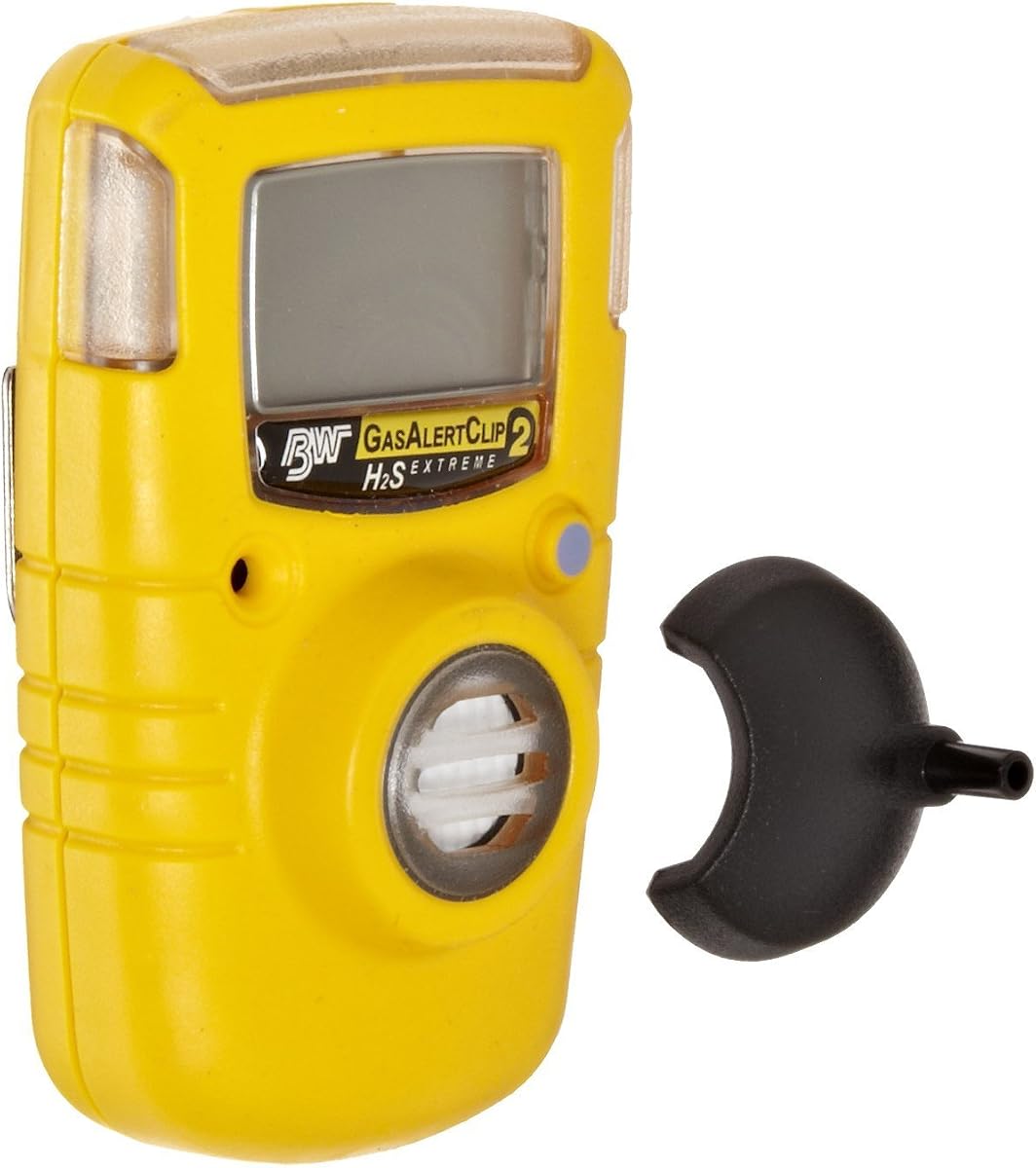
The GasAlertClip Extreme simplifies gas detection by requiring no calibration or battery changes over its two-year lifespan.
We may earn a commission when you buy through this link, at no additional cost to you.
This zero-maintenance approach is perfect for contractors who want a set-it-and-forget-it safety device.
Event logging and automatic self-testing provide confidence that the device is functioning correctly before use.
Choose this if you prefer a straightforward detector with minimal administrative overhead or maintenance tasks.
No need to remember calibration schedules makes this ideal for occasional users.
We may earn a commission when you buy through this link, at no additional cost to you.
The Guard-101 provides multi-gas functionality at a price point that competes with basic single gas units.
We may earn a commission when you buy through this link, at no additional cost to you.
It covers hydrogen sulfide carbon monoxide and oxygen making it versatile for a range of general safety tasks.
Password protection prevents accidental setting changes which maintains integrity in shared equipment scenarios.
This is a budget friendly multi-gas choice for small businesses or home use where premium features are not needed.
Password protection ensures unauthorized users cannot alter alarm thresholds or settings.
We may earn a commission when you buy through this link, at no additional cost to you.
This generic monitor offers a basic level of protection for those who need a simple detector at a minimal cost.
We may earn a commission when you buy through this link, at no additional cost to you.
It covers the essential 0 to 100 ppm range and includes visual and audible alarms for clear warnings.
The backlit screen and IP65 rating make it functional in varied lighting and weather conditions.
It is suitable for personal use or low risk environments where advanced data logging is not a requirement.
Provides essential alerts for dangerous gas levels without extra features or complexity.
We may earn a commission when you buy through this link, at no additional cost to you.
The Forensics 4 Gas Monitor combines the brand's reputation for accuracy with multi-gas versatility.
We may earn a commission when you buy through this link, at no additional cost to you.
It comes with US NIST traceable calibration ensuring your readings meet rigorous standards for compliance and safety.
Features like vibration alarms and USB charging add convenience for daily use in professional settings.
Select this unit if you need verified precision across multiple gas types and robust durability.
Calibration certificates provide proof of accuracy for safety audits.
We may earn a commission when you buy through this link, at no additional cost to you.
This Honeywell BW Clip is a classic single gas detector widely used across various industrial sectors.
We may earn a commission when you buy through this link, at no additional cost to you.
Its compact and lightweight design ensures comfort during long shifts while maintaining robust safety performance.
The one-button operation simplifies use for workers who need quick and reliable protection without complex menus.
It is a reliable choice for standard hydrogen sulfide monitoring where basic compliance is the primary goal.
Provides essential single gas protection meeting basic industry safety requirements.
We may earn a commission when you buy through this link, at no additional cost to you.
Selecting the right monitor involves weighing sensor technology, battery life, and feature sets against your specific safety needs and budget.
Electrochemical sensors are the standard for detecting hydrogen sulfide and they vary in precision and response time. Higher end models offer better accuracy and faster reaction to gas spikes.
Look for sensors with proven track records and clear response time data.
Single gas monitors focus solely on H2S and are often smaller and cheaper. Multi-gas monitors detect multiple hazards like carbon monoxide and oxygen which is vital for confined spaces.
Choose multi-gas if your environment has other potential risks besides hydrogen sulfide.
Continuous monitoring requires reliable power sources. Rechargeable options are becoming common and can last several hours or days per charge. Some models use disposable batteries which need periodic replacement.
Prioritize battery life that matches your typical shift length or usage pattern.
Effective alarms combine sound vibration and visual indicators. This ensures you receive alerts even if you cannot hear a buzzer due to ambient noise or hearing protection.
Vibration and flashing lights are essential for noisy industrial environments.
Monitors should withstand dust moisture and impacts. Look for IP ratings like IP65 or IP67 which guarantee resistance to water and dust. Explosion proof ratings are crucial for flammable gas environments.
Ensure the device meets local safety certification standards.
Recording events helps in analyzing exposure incidents and proving compliance. Some devices store data internally while others connect to software for detailed reports.
Select a model with data logging if you need historical records.
Sensors drift over time and need calibration to remain accurate. Some units require frequent manual calibration while others are zero maintenance. Consider the effort needed to keep the device accurate.
Check if the device comes pre-calibrated or needs a calibration kit.
Clip-on models are lightweight and easy to wear on a pocket. Larger handheld units offer more features but are bulkier. Your comfort and ease of carry matter for all-day use.
Pick a size that you will actually wear consistently.
Before starting any shift ensure the device is powered on and shows a clean background reading. Perform a bump test if required by your safety protocol to confirm alarms are functioning.
Wear the monitor on your upper body near the breathing zone for accurate sampling. Avoid placing it under gloves or clothing which can block gas intake.
Store the device in a clean dry environment when not in use. Regularly check the display for battery warnings and charge or replace batteries as needed.
Most electrochemical sensors for hydrogen sulfide last between two to three years. However this can vary based on exposure to high concentrations and storage conditions.
Yes regular calibration ensures accuracy especially for compliance. Some devices require monthly checks while others allow longer intervals. Always follow the manufacturer recommendations.
Single gas monitors detect only hydrogen sulfide. Multi-gas units can detect carbon monoxide oxygen and flammable gases depending on the installed sensors.
Parts per million indicate gas concentration. Safe levels are typically low while higher readings require evacuation. Always refer to safety thresholds for specific environments.
A bump test exposes the sensor to a known gas concentration to verify it triggers an alarm. It is a quick check before use to ensure the device works.
Many professional monitors have IP ratings that resist dust and water spray. However fully submersible use is not common for personal clip-on devices.
Some models support data logging and USB export for reports. Basic units may not store data beyond the event log. Check product specs for data export features.
Personal monitoring is generally for professional settings. However it can be useful for home use if you work with septic systems or live in areas with gas risks.
Choosing the right hydrogen sulfide monitor depends on balancing accuracy durability and specific safety needs.
Consider whether single gas detection is enough or if multi-gas capability is necessary for your environment.
Always check current product availability and verify specifications before making a purchase decision.