
Windows 11 Laptop
4.5Editor score
i3 processor power
12GB RAM memory
15.6 inch FHD display
Engineering students require reliable computing tools to handle demanding software, complex simulations, and long study sessions. Choosing the right laptop involves balancing performance power with portability and battery endurance. A good engineering laptop must run CAD programs, coding environments, and data analysis tools smoothly without lagging during critical deadlines or group projects.
We analyzed ten current models based on processor speed, memory capacity, storage options, and display clarity. Our comparison focuses on real-world usability for students who need devices that last through full days of classes and lab work. Each entry highlights specific strengths, potential limitations, and value propositions to help you make an informed decision.
Each pick shows detailed specifications, user ratings, and key features relevant to engineering coursework. Please note that prices and availability can change frequently, so verify current details before purchasing. We included a mix of budget-friendly options and powerful machines to suit different academic needs and financial situations across campus environments.
4.5Editor score

4.6Editor score

4.6Editor score
As an Amazon Associate we earn from qualifying purchases.
The following table provides a side-by-side view of all ten models, highlighting core specifications to help you compare processing power, memory, storage, and display sizes at a glance for your specific engineering needs.


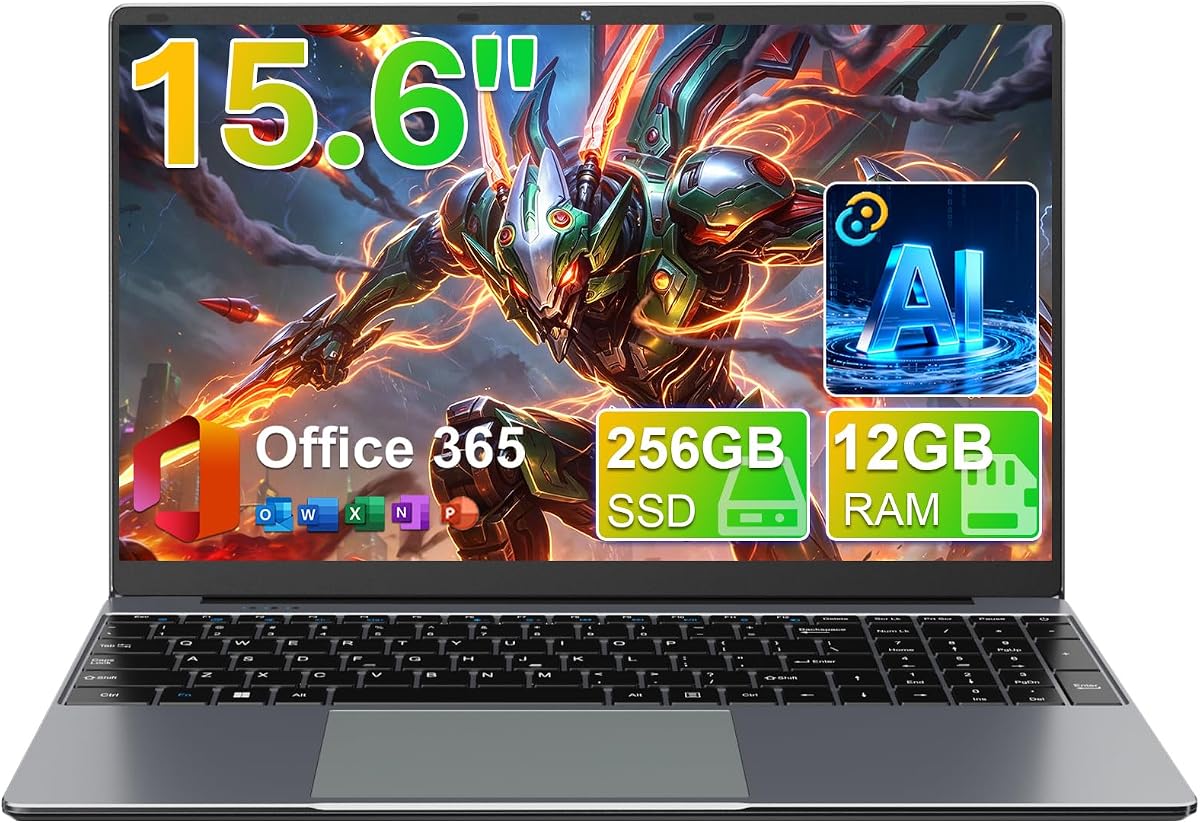


This Windows 11 Laptop offers an accessible entry point for engineering students needing basic computing tasks. Rated 4.5 stars, it balances cost with practical features like a 15.6 inch Full HD display and 12GB of RAM. While not built for heavy rendering, it handles coursework, note-taking, and light software usage effectively.
We may earn a commission when you buy through this link, at no additional cost to you.
The Intel Core i3 processor combined with 12GB RAM ensures smooth navigation between browser tabs, document editors, and online classes. The 256GB SSD provides quick boot times and responsive performance for everyday tasks. Students will appreciate the backlit keyboard for late-night study sessions and the lightweight design for carrying across campus.
However, the integrated graphics and modest processor may struggle with demanding CAD or simulation software. Storage is limited to 256GB, so external drives may be needed for large project files. These trade-offs are acceptable given the price, making it a viable secondary machine or for students prioritizing portability over raw power.
Buy this if you need a reliable, budget-friendly device for general engineering coursework and general computing. It suits students focused on theoretical work or those who already own a powerful desktop for heavy lifting. The long battery life and expandable storage options add flexibility for daily academic use.
Weighing only 1.63kg and measuring 19.5mm thin, this laptop fits easily into backpacks for travel to lectures or libraries without adding bulk.
Equipped with WiFi 6, Bluetooth 5.2, and multiple USB ports including Type-C for fast charging, ensuring seamless connection to peripherals and networks.
We may earn a commission when you buy through this link, at no additional cost to you.
The HP 14 Laptop delivers a balanced mix of features suitable for general engineering tasks and productivity work. With a 4.4 rating, it offers the Intel Processor N150, 8GB RAM, and a one-year Microsoft 365 subscription. It is designed for students who need a dependable machine for classes, research, and document creation.
We may earn a commission when you buy through this link, at no additional cost to you.
The Intel Processor N150 provides efficient performance for multitasking and daily workflows. The inclusion of Microsoft 365 ensures immediate access to Word, Excel, and PowerPoint for projects. WiFi 6 and Bluetooth connectivity keep you connected across campus networks, while the 11-hour battery life supports long days without hunting for outlets.
Storage is limited to 128GB UFS, which fills up quickly with large software packages or media files. Eight gigabytes of RAM is sufficient for basic tasks but may slow down if running multiple virtual machines or heavy IDEs. Consider external storage or cloud solutions for managing larger datasets.
This laptop is ideal for students who prioritize software included and battery endurance over high-end processing. It works well for coding, writing reports, and attending virtual lectures. The AI assistance and secure Windows 11 Home add value for professional development and streamlined workflows during studies.
Comes with a complimentary one-year subscription to Microsoft 365, providing immediate access to essential productivity tools for academic and professional projects.
Delivers up to 11 hours of battery life, allowing students to power through back-to-back classes or long study sessions without needing a charger.
We may earn a commission when you buy through this link, at no additional cost to you.
The HP Stream 14 stands out for its generous storage and memory configuration at a competitive price. Rated 4.2 stars, it pairs an Intel Celeron N4120 with 16GB DDR4 RAM and over 1TB of storage. This combination is attractive for students who need space for files and can multitask without immediate budget strain.
We may earn a commission when you buy through this link, at no additional cost to you.
Sixteen gigabytes of RAM allows for smooth switching between multiple applications, which is helpful when managing research, browsers, and coding tools simultaneously. The 1TB docking station provides ample room for project data, backups, and media without relying on cloud services. The included Office 365 subscription adds further value for coursework.
Performance may be limited for engineering software that requires significant processing power. The HD display resolution is lower than Full HD options, which affects clarity for detailed diagrams or code. It is best suited for students focused on text-heavy tasks or those using a secondary device for storage and connectivity.
Choose this if you need maximum storage and memory for minimal cost. It suits students who use external drives often and prioritize file management over raw speed. The portable design and comprehensive port selection make it easy to set up in dorms or libraries for flexible work sessions.
Combines 64GB eMMC with a 1TB docking station to provide over 1TB of total storage, letting you store vast digital files effortlessly.
16GB DDR4 RAM provides high bandwidth for running multiple applications seamlessly, supporting smooth workflow between research and note-taking apps.
We may earn a commission when you buy through this link, at no additional cost to you.
The HP 2026 Essential Laptop focuses on portability and essential features for students on a tight budget. With a 4.4 rating, it features an Intel Processor N150, 4GB RAM, and 128GB storage. It aims to deliver responsive performance for web browsing, document editing, and online learning activities without heavy costs.
We may earn a commission when you buy through this link, at no additional cost to you.
Modern connectivity includes WiFi 6 and Bluetooth 5.4 for stable connections across campus. The 14-inch micro-edge display offers an immersive viewing experience despite HD resolution, reducing eye strain with anti-glare coatings. AI features like Copilot help streamline writing and research tasks efficiently during academic sessions.
Four gigabytes of RAM is the main constraint for multitasking, potentially slowing down when running multiple browser tabs or engineering software. Storage is similarly limited, requiring cloud management or external drives for larger projects. This model is best for students who prioritize light usage and mobility over heavy computational work.
Buy this if you need a basic laptop for classes and light productivity tasks. It suits students who spend most of their time online or in document editors. The included Microsoft 365 and AI tools add value for general academics, though you may need external solutions for large file storage.
Pre-installed with Windows 11 Home and Microsoft Copilot integration, providing AI-powered assistance accessible with a dedicated Copilot key for efficient workflows.
Features an anti-glare display coating that reduces eye strain during extended use, making it ideal for online classes and long study sessions.
We may earn a commission when you buy through this link, at no additional cost to you.
This 15.6 FHD IPS Student Laptop offers a compelling mix of display quality and memory capacity. Rated 4.6 stars, it features a Celeron J4105 processor, 12GB RAM, and 256GB SSD storage. The Full HD IPS panel ensures accurate colors and wide viewing angles for presentations and design work.
We may earn a commission when you buy through this link, at no additional cost to you.
Twelve gigabytes of RAM supports smooth multitasking, allowing you to keep multiple applications open without slowdowns. The included AI Assistant helps with writing and meeting tasks, saving time during busy study periods. A 180-degree hinge provides flexibility for sharing screens during group projects or adjusting viewing positions.
The processor is older compared to modern options, which might affect performance with demanding engineering software. While the display is excellent, connectivity relies on 5G WiFi rather than newer standards. It remains a strong choice for students prioritizing screen real estate and memory over cutting-edge processor speeds.
Choose this if you need a reliable screen for design or coding work on a budget. It suits students who value multitasking capacity and collaborative features like the 180-degree hinge. The inclusion of Office 365 further enhances its utility for daily coursework and professional tasks.
Features a 15.6 FHD IPS display with narrow bezels, delivering rich colors and clear detailing for an engaging viewing experience.
Opens flat to 180 degrees, giving flexibility to adjust the screen for presentations or ideal viewing positions during collaboration.
We may earn a commission when you buy through this link, at no additional cost to you.
The HP Laptop 2026 is designed for students needing a portable device with integrated productivity tools. With a 4.3 rating, it offers the Intel N150 processor, 4GB RAM, and Microsoft 365. It balances essential computing features with a lightweight design for easy transport between classes and study locations.
We may earn a commission when you buy through this link, at no additional cost to you.
AI features like Copilot provide assistance for content creation and workflow management. The True Vision 720p HD camera with dual-array microphones ensures clear communication for virtual meetings. WiFi 6 connectivity keeps you connected to campus networks efficiently without dropping signals in crowded areas.
Storage is limited to 128GB, which requires careful management of files or use of cloud services. Four gigabytes of RAM may restrict heavy multitasking, making it better for lighter coursework. It is suitable for students who prioritize portability and software inclusions over raw hardware performance.
Buy this if you need a lightweight laptop with essential productivity tools for daily academic tasks. It suits students who rely on web-based applications and value AI assistance for writing and research. The long battery life supports all-day use without needing frequent charging during lectures.
Includes Copilot AI and Office 365, providing instant access to intelligent assistance and full productivity software for academic work.
Dual-array digital microphones ensure crystal-clear communication during video calls and virtual meetings with effective noise reduction.
We may earn a commission when you buy through this link, at no additional cost to you.
The Lenovo Laptop emerges as the top choice for serious engineering students requiring high performance and reliability. Rated 4.6 stars, it features a 13th Gen i7-13620H processor with 10 cores, 24GB RAM, and 1TB NVMe SSD. It handles demanding CAD software, simulations, and coding environments with exceptional speed and multitasking power.
We may earn a commission when you buy through this link, at no additional cost to you.
The 10-core processor reaches up to 4.9GHz, enabling seamless productivity workflows and content creation. Twenty-four gigabytes of RAM ensures smooth operation even with multiple virtual machines or resource-heavy IDEs open. The 1TB NVMe SSD provides lightning-fast boot times and file access, reducing wait times during intensive tasks.
Although it is more expensive than budget options, the investment pays off through longevity and capability. The MIL-STD-810H military-grade testing ensures durability against physical stress, which is vital for campus life. This laptop is ideal for students who need a primary machine capable of handling complex projects without performance degradation.
Invest in this if you need a powerhouse for demanding engineering workloads. It suits students in mechanical, civil, or electrical engineering programs running professional software. The comprehensive connectivity options, including WiFi 6 and Ethernet, support versatile setups for both academic and professional environments.
Intel Core i7-13620H with 10 cores and 16 threads delivers exceptional multitasking power for demanding applications and content creation.
24GB dual-channel DDR4 RAM ensures smooth multitasking, allowing multiple heavy applications to run simultaneously without lag.
We may earn a commission when you buy through this link, at no additional cost to you.
The HP 14 2026 Notebook emphasizes portability and essential features for students on the move. With a 4.4 rating, it features an Intel Processor N150, 4GB RAM, and Windows 11 Home. It is designed to deliver responsive computing for daily tasks, web browsing, and light productivity applications.
We may earn a commission when you buy through this link, at no additional cost to you.
Its lightweight design at just 3.24 lbs makes it easy to carry in backpacks or bags throughout the day. The battery life supports up to 11 hours of video playback, ensuring you stay productive without hunting for outlets. Copilot AI integration provides intelligent assistance for content creation and writing tasks.
The processor is best suited for light usage and may struggle with complex engineering simulations. Storage is limited to 128GB, so external drives are necessary for large project files. It works well as a secondary device or for students who prioritize mobility over intensive computational needs.
Buy this if you need a portable and reliable device for classes and note-taking. It suits students who rely on cloud storage and web applications for most work. The anti-glare display and quiet cooling make it comfortable for long study sessions in libraries or classrooms.
Weighing just 3.24 lb with a slim profile, it fits easily in backpacks and bags for comfortable travel across campus.
Delivers up to 11 hours of video playback, keeping you going on a single charge for long study sessions without interruption.
We may earn a commission when you buy through this link, at no additional cost to you.
The Dell 15.6 Laptop DC15250 delivers efficient computing with an Intel Core i5 processor for steady performance. Rated 4.3 stars, it features a 15.6 inch Full HD display and Windows 11 Home. It focuses on ergonomic design and energy efficiency for all-day productivity during classes and study sessions.
We may earn a commission when you buy through this link, at no additional cost to you.
The Intel Core i5 processor handles web browsing, document editing, and streaming with ease. ComfortView software reduces harmful blue light emissions to keep your eyes comfortable during extended screen time. A roomy numeric keypad supports efficient data entry, making it useful for spreadsheet work and calculations.
While solid for general tasks, it may lack the raw speed for demanding engineering simulations compared to higher-end models. The weight is typical for a 15-inch device, which might add bulk to your backpack. It is best suited for students who value service and comfort over extreme portability or raw power.
Buy this if you need a dependable machine for daily coursework and comfortable typing. It suits students who spend long hours on reports and data analysis. The inclusion of 1 Year Onsite Service provides peace of mind for hardware issues that could interrupt your academic progress.
Dell ComfortView software helps reduce harmful blue light emissions to keep your eyes comfortable over extended viewing times.
Lifted hinges provide an ergonomic typing angle, keeping your wrists comfortable during long writing sessions.
We may earn a commission when you buy through this link, at no additional cost to you.
The HP 17 Inch FHD Laptop provides a large workspace ideal for engineering students needing screen real estate. Rated 4.6 stars, it features an AMD Ryzen 5 7430U processor, 16GB RAM, and 1TB SSD storage. It is designed to handle multitasking, business applications, and video conferencing with reliable efficiency.
We may earn a commission when you buy through this link, at no additional cost to you.
The 17.3 inch Full HD IPS display offers wide viewing angles and crisp visuals for spreadsheets and complex diagrams. Sixteen gigabytes of RAM ensures smooth performance when running multiple professional applications or large data sets. Windows 11 Pro adds enhanced security and management features for professional-grade control.
While powerful and spacious, the larger physical size may limit portability compared to 14 or 15 inch models. It is best for students who prioritize screen quality and processing power over ultra-lightweight transport. The inclusion of a numeric keypad and fast charging technology adds practical value for business and academic tasks.
Choose this if you need a large display for detailed engineering work or presentations. It suits students who work primarily in a fixed location like a dorm or office. The premium features and expansive screen make it a top choice for those needing a desktop replacement laptop.
Enjoy a larger workspace on the 17.3-inch Full HD IPS anti-glare display with wide viewing angles for comfortable viewing.
Pre-installed with Windows 11 Pro for enhanced security and professional-grade management features suitable for business tasks.
We may earn a commission when you buy through this link, at no additional cost to you.
Selecting the right laptop requires evaluating several key factors to ensure it meets the rigorous demands of engineering coursework and software.
Engineering software such as CAD, MATLAB, and simulation tools require robust processing power. Look for multi-core processors like Intel Core i5 or i7, or AMD Ryzen 5 or 7 to handle heavy computations and multitasking without lagging. Avoid entry-level Celeron or N-series processors for primary engineering work.
Prioritize processors with higher clock speeds and core counts to future-proof your device against evolving software demands.
RAM is critical for running multiple applications and large files simultaneously. Engineering programs often recommend at least 16GB of RAM for smooth performance when working with complex models or virtual machines. Eight gigabytes may suffice for basic tasks but can limit multitasking capabilities.
Choose a laptop with 16GB or more RAM to ensure smooth operation during intensive study sessions and project work.
Fast storage reduces boot times and file access speeds. Solid State Drives (SSDs) are preferred over traditional hard drives for responsiveness. Aim for at least 512GB of storage to accommodate large software installations and project files without running out of space quickly.
Select models with SSD storage and sufficient capacity to manage your digital workflow efficiently.
A high-quality display helps reduce eye strain during long study sessions. Look for Full HD resolution (1920×1080) or better, with IPS panels for accurate colors and wide viewing angles. Anti-glare coatings are valuable for reducing reflections in bright classrooms.
Opt for displays with good resolution and eye-care features to maintain comfort during extended use.
Students often carry laptops across campus, so weight and size matter. Laptops under 4 lbs are easier to transport daily. Consider the screen size trade-off as larger screens mean more bulk but better visibility for detailed work.
Balance the need for a large screen with portability to ensure comfort during daily travel.
Long battery life ensures productivity without needing an outlet during lectures or library sessions. Aim for at least 8 to 10 hours of battery life for all-day usage. Fast charging capabilities can also be beneficial for quick top-ups between classes.
Check real-world battery ratings to guarantee sufficient endurance for your typical daily schedule.
Engineering work often involves connecting to peripherals, monitors, or networks. Ensure the laptop has enough USB ports, HDMI outputs, and Ethernet or WiFi 6 for reliable connections. Type-C ports with power delivery are advantageous for versatile charging and data transfer.
Verify that the port selection matches your connectivity needs to avoid constant dongle dependency.
A laptop that withstands frequent travel and use is essential. Look for models with robust build quality and military-grade certifications. Warranty options like onsite service can save time and hassle if hardware issues arise during your studies.
Prioritize models with strong warranties to protect your investment throughout your academic career.
Proper maintenance extends the lifespan of your laptop and ensures consistent performance. Keep your device clean by wiping the screen and keyboard regularly with a soft, lint-free cloth. Avoid using harsh chemicals that might damage the anti-glare coating or plastic surfaces.
Manage your storage effectively by organizing files into folders and using cloud services for backups. Regularly update your operating system and software to benefit from security patches and performance improvements. Close unused applications to free up memory and maintain speed during heavy tasks.
Handle the laptop with care when transporting it. Use a padded backpack sleeve to protect against bumps and drops. Avoid leaving the device in extreme temperatures or direct sunlight, which can harm the battery and internal components. These simple habits help keep your machine reliable.
The minimum RAM requirement for engineering laptops is generally 8GB for basic tasks. However, for running engineering software effectively, 16GB is recommended to handle multitasking and heavy applications smoothly.
While integrated graphics work for general coursework, a dedicated graphics card helps significantly with 3D modeling and CAD work. For most engineering programs, integrated graphics are acceptable unless you are doing heavy rendering.
Ideally, your laptop battery should last at least 8 hours to cover a full day of classes. Look for models with fast charging to minimize downtime when you need a quick top-up between lectures.
Windows is generally more compatible with engineering software such as SolidWorks and AutoCAD. While macOS is reliable, you may face compatibility issues with specific engineering applications unless using virtualization.
Speed, provided by SSD storage and fast processors, is more critical than raw storage size for performance. You can always add external storage for large files but cannot easily upgrade internal processing power.
Portability is very important since students frequently carry laptops across campus. A lightweight laptop under 4 lbs reduces fatigue during daily commutes to lectures and study groups.
We reviewed ten laptops offering diverse options for engineering students. The Lenovo Laptop stands out as the Editor's Choice for high-end performance, while the Windows 11 Laptop provides a strong budget alternative. Each model brings unique strengths to support your academic journey effectively.
When choosing, prioritize specs that align with your specific coursework demands. Consider factors like processor speed, RAM capacity, and portability to find a device that fits your daily routine. Balancing budget with necessary performance ensures you get the best value for your investment.
Remember to verify current pricing and availability as they can change frequently. We hope this guide helps you select a reliable laptop that empowers your engineering studies. Good luck with your academic career and technology choices.