
AMD Ryzen 9 9950X
4.8Editor score
Sixteen cores and thirtytwo threads
Maximum boost clock up to point57 GHz
Eighty megabytes of L cache cache
Find the best CPU for Excel and Data Analysis with our guide comparing top models for speed efficiency and multitasking performance in 2026.
Selecting the right processor is crucial for handling large spreadsheets and complex data models efficiently. A powerful CPU ensures smooth calculations quick refreshes and seamless multitasking across your workflow tools.
We evaluated leading desktop processors based on core counts clock speeds cache sizes and architecture efficiency. Our analysis focuses on real-world performance relevant to data professionals and analysts using heavy workloads.
Each pick highlights key strengths and ideal use cases to help you match hardware to your specific needs. Remember that pricing fluctuates so check current listings before making your final purchasing decision today.
4.8Editor score

4.6Editor score

4.8Editor score
This side-by-side comparison outlines the key specifications and capabilities of each processor to help you visualize performance differences at a glance.


The Intel Core Ultra 9 285K stands out as a powerhouse for demanding data tasks with its 24 cores and high clock speeds. It earns our top pick due to its balanced architecture that handles both single-threaded Excel formulas and heavy parallel processing workloads efficiently.
We may earn a commission when you buy through this link, at no additional cost to you.
This processor delivers exceptional responsiveness thanks to its up to 5.7 GHz boost frequency and performance hybrid architecture. The integration of P-cores and E-cores ensures that background tasks do not interfere with your active calculations providing a smooth experience.
While it offers top tier performance the lack of a included cooler means you must budget for aftermarket cooling solutions. The power requirements are also significant which may increase your overall system costs slightly compared to other options on this list.
For professionals who need absolute speed and reliability for complex data modeling this processor is the ideal choice. Its compatibility with modern chipsets ensures longevity and future proofing for your workstation investment over the coming years.
The mix of performance and efficiency cores optimizes workload distribution for better overall system responsiveness and power management.
Compatibility with Intel 800 series chipsets provides access to the latest connectivity and memory standards for enhanced throughput.
We may earn a commission when you buy through this link, at no additional cost to you.
The AMD Ryzen 7 9800X3D impresses with its massive 96MB L3 cache which is particularly beneficial for applications that rely heavily on cached data access. This feature helps reduce latency during complex spreadsheet calculations making it a strong contender for data analysis tasks.
We may earn a commission when you buy through this link, at no additional cost to you.
Built on the Zen 5 architecture this processor delivers a significant IPC uplift that translates to faster single-thread performance. The power efficiency is also commendable allowing it to maintain high clock speeds without excessive heat generation under typical office loads.
However the core count is lower than some competitors which might limit pure parallel processing capabilities for very large datasets. The absence of a included cooler means additional expenditure is required to ensure optimal thermal management in your build.
If your workflow prioritizes responsive calculations and lower power draw over massive core counts this model offers excellent value. It remains a solid choice for users who want high performance without the extreme power demands of top tier competitors.
The expanded cache reduces latency for data access tasks significantly improving responsiveness in calculation heavy applications like Excel.
Superior power efficiency allows for quieter operation and lower cooling requirements compared to higher TDP alternatives in the market.
We may earn a commission when you buy through this link, at no additional cost to you.
The Intel Core i9-14900K boasts a leading max clock speed of up to 6.0 GHz which provides unmatched responsiveness for single-threaded tasks. This capability ensures that quick calculations and UI interactions within Excel feel instantaneous even with complex workbook structures.
We may earn a commission when you buy through this link, at no additional cost to you.
Its 24 cores and 32 threads deliver robust multi-threaded performance suitable for multitasking and running multiple data tools simultaneously. The hybrid architecture efficiently manages background processes allowing your foreground analysis tasks to run without interruption or slowdown.
Despite its performance strengths it sits on an older platform which may limit future upgrade paths compared to newer socket options. Power consumption can be high under load requiring a capable cooling solution to maintain stability during extended analysis sessions.
For users upgrading existing systems or needing immediate raw speed this processor remains a formidable option. It delivers consistent high-end performance that keeps pace with the most demanding data workflows available today.
With a 6.0 GHz boost it outperforms many rivals in single-thread scenarios ensuring rapid formula calculations and responsive interfaces.
Support for 600 and 700 series chipsets offers broad motherboard choice and flexibility for various build budgets and layouts.
We may earn a commission when you buy through this link, at no additional cost to you.
The AMD Ryzen 5 9600X offers a balanced mix of speed and efficiency with its 5.4 GHz max boost frequency. This high clock speed ensures snappy performance for everyday data tasks making it a reliable choice for users who need speed without extreme power costs.
We may earn a commission when you buy through this link, at no additional cost to you.
Built on the Zen 5 architecture it delivers strong single-threaded performance that keeps Excel formulas and macros executing smoothly. The power efficiency is notable allowing it to run cooler and quieter than many higher core count alternatives under typical office loads.
The limited core count may restrict performance when dealing with massive parallel processing tasks or heavy virtualization workloads. Additionally the lack of a included cooler requires an additional investment in thermal management to maintain optimal operating temperatures.
For small to medium datasets and general analysis needs this processor provides excellent value and responsiveness. It is an ideal pick for users prioritizing energy efficiency and modern platform features over raw multi-core throughput.
The latest architecture delivers improved instructions per cycle for faster task completion and better overall system responsiveness.
Lower power draw reduces electricity costs and heat output making it suitable for compact or silent workstation builds.
We may earn a commission when you buy through this link, at no additional cost to you.
The Intel Core Ultra 7 270K delivers robust performance with 24 cores and a hybrid architecture that balances efficiency and speed. Its 5.5 GHz boost frequency provides the responsiveness needed for complex data modeling and quick workbook refreshes in professional environments.
We may earn a commission when you buy through this link, at no additional cost to you.
This processor is designed for enthusiasts and power users who demand high performance without sacrificing platform longevity. The support for PCIe 5.0 and DDR5 memory ensures that your system remains compatible with future high-speed storage and memory technologies.
While performance is excellent the premium price may not be justified for users with light workloads who do not need top tier cores. The absence of a included cooler also adds to the overall cost of ownership for your new workstation setup.
For professionals seeking a reliable high-end CPU with modern connectivity and efficiency this model stands out. It offers a compelling blend of performance and future-proofing for demanding data analysis and content creation workflows.
Support for PCIe 5.0 and high-speed DDR5 memory allows for faster data transfers and improved overall system bandwidth.
Unlocked for performance tuning it enables overclocking potential for users who wish to extract maximum speed from their hardware.
We may earn a commission when you buy through this link, at no additional cost to you.
The AMD Ryzen 9 9950X sets a new standard for multi-threaded performance with 16 cores and 32 threads capable of handling massive data sets. Its 5.7 GHz boost ensures that single-threaded tasks remain fast and responsive alongside heavy parallel processing workloads.
We may earn a commission when you buy through this link, at no additional cost to you.
This processor excels in scenarios where multiple applications or complex simulations run simultaneously. The Zen 5 architecture provides significant efficiency gains allowing it to maintain high performance without excessive heat or power consumption under typical usage.
Its premium price and recommendation for liquid cooling may deter budget-conscious users or those with modest workloads. The investment is best suited for professionals who need absolute top-tier performance for large-scale enterprise data analysis tasks.
For power users requiring maximum throughput and efficiency this CPU is the ultimate choice. It represents the pinnacle of current desktop processing capabilities for demanding professional data environments.
With 32 threads it handles parallel data processing tasks effortlessly ensuring rapid completion of complex analysis scripts.
Despite high performance the Zen 5 architecture delivers better power efficiency reducing heat and energy costs significantly.
We may earn a commission when you buy through this link, at no additional cost to you.
The Intel Core i7-12700KF delivers strong performance with 12 cores and an efficient architecture that balances cost and speed. Its 5.0 GHz boost ensures responsiveness for daily analysis tasks making it a solid choice for users seeking reliability without extreme costs.
We may earn a commission when you buy through this link, at no additional cost to you.
This processor offers good value thanks to its mature platform and widespread motherboard support. The hybrid design helps manage power usage effectively allowing stable performance under load without requiring excessive cooling investment for typical office use.
The lack of integrated graphics means a discrete GPU is required which adds complexity to the build. Additionally platform longevity is limited compared to newer AM5 or LGA1851 sockets potentially restricting future upgrade paths for your system.
For those building a budget-friendly workstation this CPU provides excellent performance for most data workflows. It is an ideal pick for users who prioritize raw performance per dollar over future upgrade flexibility.
Improved performance per watt allows for stable operation with lower thermal output compared to previous generation alternatives.
Proven architecture ensures stability and wide compatibility with existing hardware components and peripheral devices.
We may earn a commission when you buy through this link, at no additional cost to you.
The Intel Core i5-14400F offers impressive value with its hybrid architecture providing 10 cores and 16 threads for multitasking. It handles standard data analysis tasks efficiently making it an accessible entry point for professionals looking to build a capable workstation.
We may earn a commission when you buy through this link, at no additional cost to you.
Its balanced design ensures that everyday Excel operations run smoothly without lag. The support for both DDR4 and DDR5 memory gives flexibility for budget-friendly upgrades while still maintaining decent performance levels for general office workloads.
The lower boost clock speed may become a bottleneck for extremely heavy calculations compared to higher-end models. Also the requirement for a discrete graphics card means additional costs if your motherboard lacks video output capabilities.
For users with moderate data needs this processor provides the best balance of cost and performance. It is the ideal choice for small teams or individuals wanting reliable productivity without overspending on unnecessary core counts.
Priced affordably it delivers enough speed for daily spreadsheet work while leaving room for other component upgrades.
Support for DDR4 and DDR5 allows users to choose memory speeds that fit their budget while maintaining system speed.
We may earn a commission when you buy through this link, at no additional cost to you.
The AMD Ryzen 9 9900X combines 12 cores and a 5.6 GHz boost to offer a versatile solution for mixed workloads. It handles data analysis tasks effectively while maintaining enough headroom for virtualization and other multitasking requirements.
We may earn a commission when you buy through this link, at no additional cost to you.
This processor benefits from Zen 5 efficiency which helps it deliver high performance without excessive power consumption. The large cache size aids in speeding up complex calculations ensuring that large datasets process quickly within Excel environments.
The absence of a included cooler adds a small hidden cost to the purchase that some buyers may overlook. Additionally for very heavy enterprise workloads this model may not match the raw throughput of the 9950X variant.
For professionals needing a balanced CPU with modern features this model is a strong contender. It offers a reliable middle ground between budget and high-end options for growing data teams and users.
New architecture delivers better performance per watt keeping system temperatures lower under sustained analysis loads.
A 5.6 GHz boost ensures quick responsiveness for single-threaded Excel formulas and macro execution speed.
We may earn a commission when you buy through this link, at no additional cost to you.
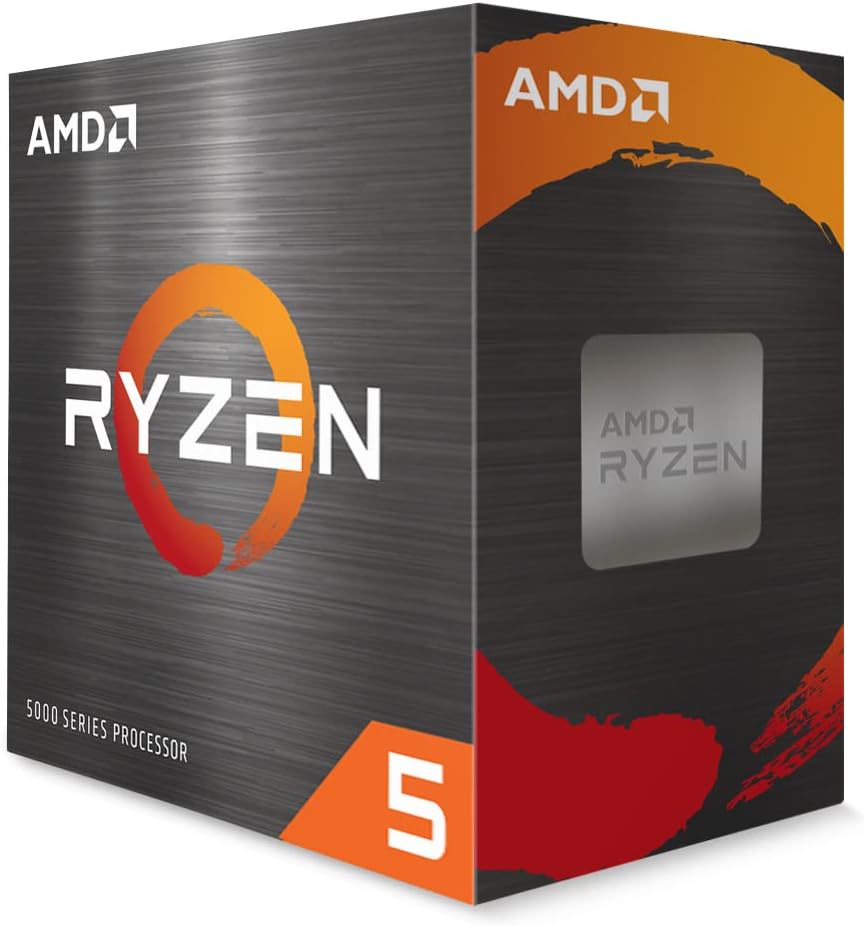
The AMD Ryzen 5 5500 offers the most affordable entry point for a capable data workstation with its six cores and included cooler. It handles basic Excel tasks and moderate data analysis efficiently making it suitable for users on a tight budget.
We may earn a commission when you buy through this link, at no additional cost to you.
This processor provides solid performance for light workloads ensuring that formulas and simple macros run without noticeable delays. The included Wraith Stealth cooler helps keep initial system costs low by removing the need for immediate aftermarket cooling purchases.
However it may struggle with very large datasets or heavy parallel processing compared to newer models with higher clock speeds. The AM4 platform is older which limits future upgrade paths and may lack support for newer memory standards.
For students or small businesses needing basic spreadsheet power this CPU is an excellent value. It delivers reliable functionality for everyday tasks without requiring significant financial investment.
The bundled cooler reduces initial build costs and simplifies setup for users who do not need extreme thermal performance.
Low price point makes it accessible for entry level professionals or those needing multiple units for a small office.
We may earn a commission when you buy through this link, at no additional cost to you.
Selecting the right CPU depends on your specific workload volume and budget constraints. This guide breaks down the key factors to consider.
More cores and threads allow for better multitasking and faster processing of large data sets. For complex models a higher count helps reduce wait times during calculations.
Aim for at least 6 cores for basic tasks and 16+ for heavy data modeling workflows.
High boost clock speeds ensure quick responsiveness for single-threaded operations like formulas and macros. Excel often relies on single core performance for many common tasks.
Look for processors with boost speeds above 5 GHz for the snappiest experience.
Larger cache memory reduces latency when accessing frequently used data during analysis. This is crucial for maintaining smooth performance when working with big datasets.
Prioritize models with 30MB or more of total cache if possible.
Choosing a modern socket type ensures you can upgrade your CPU without replacing the motherboard later. AM5 and LGA1851 are current standard platforms for future growth.
Avoid older platforms if you plan to keep your system for several years.
Efficient processors generate less heat and consume less electricity which is vital for long analysis sessions. Look for architectures that balance performance with thermal design power.
Newer generations usually offer better efficiency ratings than older models.
Most high-performance CPUs do not include a cooler meaning you must budget for separate cooling solutions. Adequate cooling ensures stability under sustained loads.
Plan for an aftermarket air or liquid cooler when buying premium models.
Support for DDR5 memory allows faster data transfer rates between RAM and the CPU. This speeds up overall system responsiveness during heavy calculations.
Ensure your chosen CPU supports your desired memory speed for best results.
Most data workstations use discrete GPUs but integrated graphics provide a backup if something fails. Some models omit iGPU requiring a dedicated card for display.
Check if your CPU includes graphics if you want to avoid extra costs.
Install your CPU carefully following the motherboard manual to avoid bending pins. Apply thermal paste correctly before securing the cooler to ensure efficient heat transfer.
Keep your system ventilated and clean dust regularly from fans and heatsinks. This maintains optimal cooling performance and prevents overheating during long data sessions.
Update your BIOS regularly to ensure compatibility with new CPUs and stable performance. Use reliable software to manage power settings for balanced speed and efficiency.
For standard Excel tasks a mid-range CPU is sufficient. However for massive datasets or complex macros a high core count reduces calculation times significantly.
Boost clock matters more for single-threaded Excel operations. Cores are better for multitasking and handling multiple applications at once effectively.
Both offer modern features and strong performance. AM5 may have longer upgrade paths while LGA1851 offers excellent efficiency and speed right now.
For data analysis aim for 32GB minimum and 64GB for large models. DDR5 speeds complement these CPUs well for faster throughput.
Not strictly necessary for all. High-performance models benefit from liquid cooling while mid-range options work fine with quality air coolers.
Only if the motherboard supports the new socket and chipset. Check compatibility lists carefully before upgrading your existing system hardware.
Both brands offer excellent CPUs. AMD often leads in efficiency while Intel offers strong single-threaded performance. Your specific workload needs should decide.
Monitor Task Manager usage. If CPU stays at 100% while Excel is slow you may need a faster model or optimize your spreadsheets.
We reviewed ten top CPUs ranging from budget-friendly options to high-end powerhouses for data professionals. Each offers distinct strengths depending on your workload complexity and budget needs.
Prioritize core count and clock speed based on your typical Excel usage. Modern platforms like AM5 and LGA1851 offer the best balance of current performance and future upgrades.
Prices fluctuate frequently so verify current listings before finalizing your purchase. Choosing the right CPU ensures smooth calculations and lasting value for your workstation.